A beautiful carpet can transform any space, adding warmth, softness, and a touch of comfort underfoot. But no matter how luxurious or durable it may be, even the highest quality carpet will begin to look tired and worn if it’s not cared for properly.
With the right routine, however, you can maintain your carpet’s pristine appearance and extend its life for many years.
This guide shares practical, expert-approved tips to help you keep your carpet looking fresh.
From vacuuming techniques and spot cleaning to deep cleans and preventative habits, we’ll cover everything you need to know to protect your flooring investment, whether it’s a plush wool carpet or a hardy synthetic.
Know Your Carpet Type
Before you begin any cleaning routine, it’s important to understand what type of carpet you have. Carpets made from different fibres—such as wool, nylon, polyester or polypropylene—each require slightly different care.
For instance, wool is naturally resilient and stain-resistant, but it can be sensitive to moisture and alkaline cleaning products. Meanwhile, synthetic carpets may tolerate stronger treatments, but they can attract static or retain certain odours.
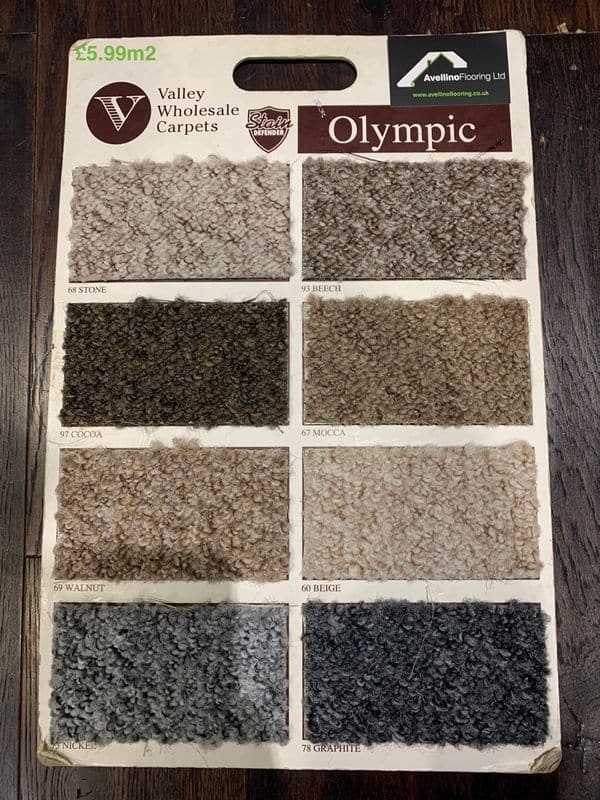
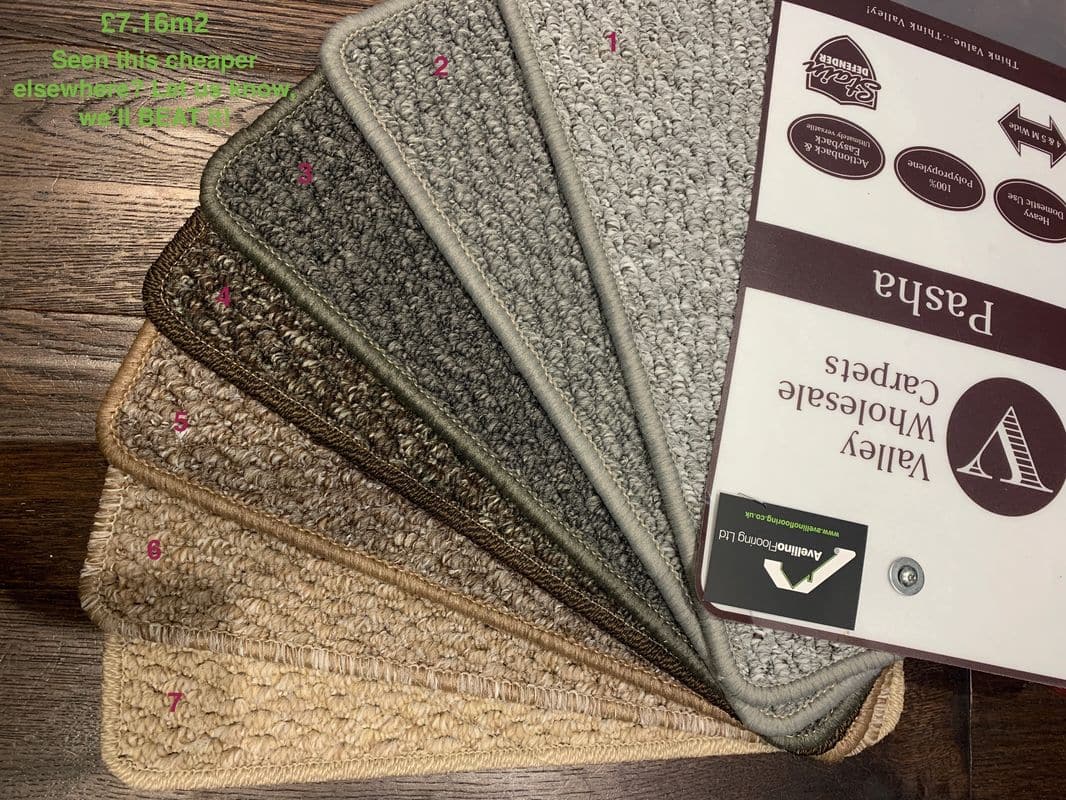
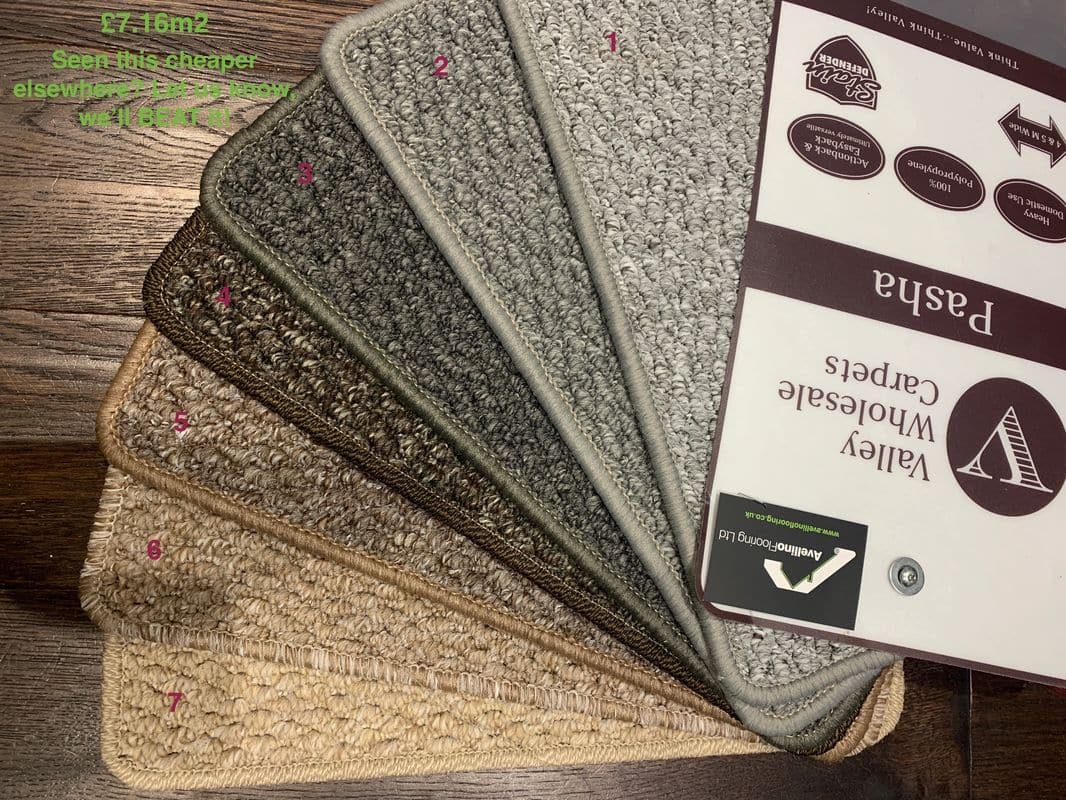
It’s also worth considering the pile style. Loop pile carpets are hardwearing and great for high-traffic areas, but they can snag if cleaned with the wrong brush.
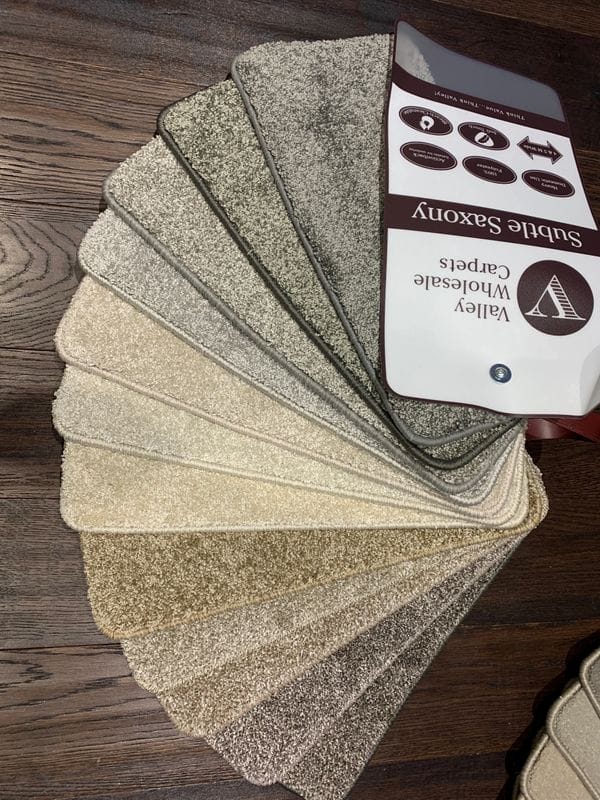
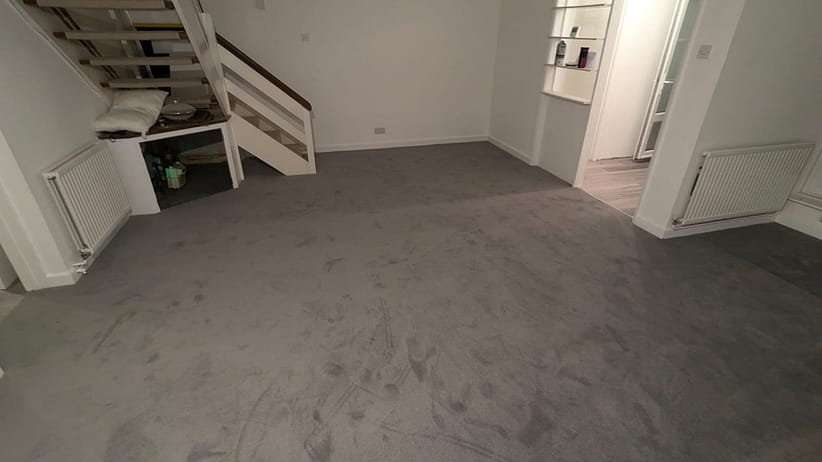
Deep-pile styles, like Saxony, feel luxurious but show footprints and vacuum marks more easily.
Understanding your carpet’s material and construction allows you to tailor your maintenance properly and avoid costly mistakes.
Vacuuming: The First Line of Defence
Vacuuming is the foundation of effective carpet care. It removes dirt, dust and debris before they become embedded in the fibres, where they can cause wear over time.
For busy households, particularly those with children or pets, daily vacuuming of high-traffic areas is ideal. In quieter spaces, a couple of times a week may suffice.
When vacuuming, take your time—go over each section slowly in overlapping lines, and change direction to lift dirt from different angles. Pay extra attention to edges and corners using your crevice tool.
Choose a vacuum cleaner suitable for your carpet type, and if allergies are a concern, opt for a model with a HEPA filter to improve air quality and capture fine dust.
Spot Cleaning Spills Immediately
Spills are bound to happen, but acting quickly can prevent a small mishap from becoming a permanent stain. The key is to blot—not rub—the affected area using a clean, dry cloth or paper towel.
Rubbing can push the liquid deeper into the carpet fibres and spread the stain further.
Once blotted, gently apply a mild detergent or a carpet cleaner recommended for your carpet type. Always test any product on an inconspicuous area first to ensure it won’t discolour the fabric.
For more stubborn stains like red wine or ink, it may be worth calling a professional to avoid damaging the carpet with aggressive treatments.
Deep Cleaning: When and How
Even with consistent vacuuming and spot treatment, carpets benefit from an occasional deep clean. Experts recommend a professional clean once every 12 to 18 months, depending on foot traffic and lifestyle factors such as pets or allergies.
This removes embedded dirt, allergens, and oils that can’t be reached with a standard vacuum.
Hot water extraction (commonly called steam cleaning) is one of the most effective professional methods, though dry cleaning is a suitable alternative for certain carpet types.
While you can rent machines for home use, professional cleaners have more powerful equipment and can adjust their methods to suit your carpet’s specific needs, helping preserve both appearance and texture.

Preventative Measures That Make a Difference
Simple daily habits can significantly extend the life of your carpet. Encourage a ‘shoes off’ policy indoors to reduce the amount of dirt tracked into your home.
Place quality doormats at entrances and consider using runners in high-traffic areas like hallways to minimise wear.
You can also protect carpet fibres by rearranging furniture occasionally to prevent crushing, and by using castor cups or coasters beneath heavy items.
If your home receives a lot of natural sunlight, consider rotating rugs or using blinds to reduce UV exposure, which can cause fading over time.
Dealing with Odours and Allergens
Carpets can trap odours from pets, food, and general foot traffic. To freshen things up, sprinkle a light layer of bicarbonate of soda over the carpet, leave it for a few hours (or overnight), and then vacuum thoroughly.
This natural deodoriser helps neutralise smells without harsh chemicals.
Regular ventilation is also important—open windows when possible and consider using an air purifier if you’re particularly sensitive to allergens.
Steam cleaning can help reduce allergen build-up, and choosing low-pile carpets with tighter weaves can make routine cleaning easier for allergy-prone households.
Caring for Wool Carpets Specifically
Wool carpets require a more delicate touch compared to synthetic options. While they’re naturally resilient and luxurious underfoot, they can shrink or become misshapen if saturated with too much moisture.
It’s best to use cleaning products that are explicitly labelled as “wool safe” and to avoid high-alkaline cleaners, which can damage the natural fibres.
Regular vacuuming and quick action on spills are essential, but for deeper cleans, professional attention is recommended. Certified carpet cleaners will know how to treat wool using low-moisture methods or wool-safe detergents.
This preserves the integrity of the pile and ensures your wool carpet retains its look and feel for many years to come.
When to Replace or Refresh Your Carpet
Even the best maintenance routine has its limits. Over time, carpets may begin to look worn, flattened, or discoloured—especially in high-traffic zones.
If you notice persistent odours, visible damage, or stains that can’t be lifted despite your efforts, it may be time to consider a replacement.
That doesn’t always mean replacing the entire room. Refreshing your space with a stylish rug, new carpet runner, or re-carpeting just one area can make a big difference.
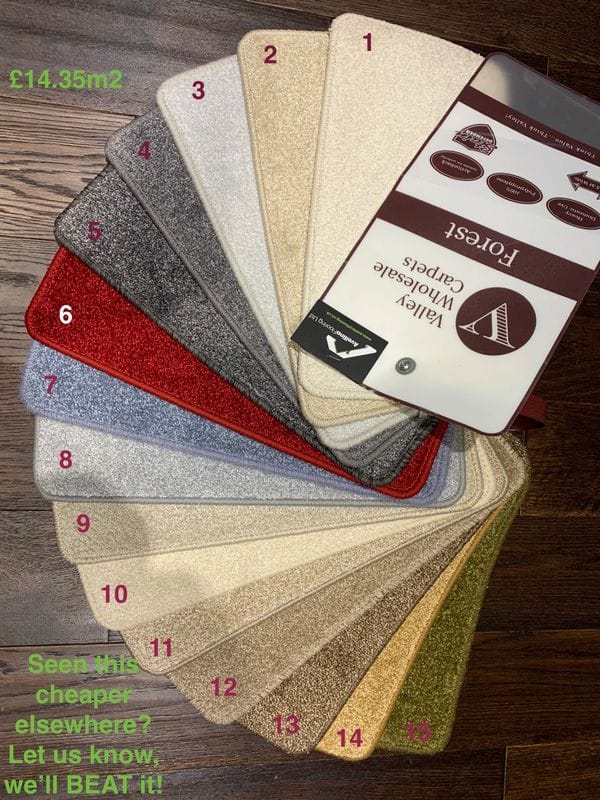
Avellino Flooring offers a wide range of premium carpet options to suit every room, and our team can help guide you towards a stylish and practical solution that meets your needs.

Conclusion
Caring for your carpet doesn’t have to be complicated, but it does require consistency. With regular vacuuming, prompt attention to spills, and an occasional deep clean, your carpet can stay soft, fresh and vibrant for years.
Adding a few preventative measures to your daily routine will help you get the most out of your flooring investment.
If you’re unsure about the best products or cleaning methods for your carpet, or if you think it’s time for something new, the team at Avellino Flooring is always here to help.
From expert advice to professional installation, we’re committed to keeping your home looking its absolute best.