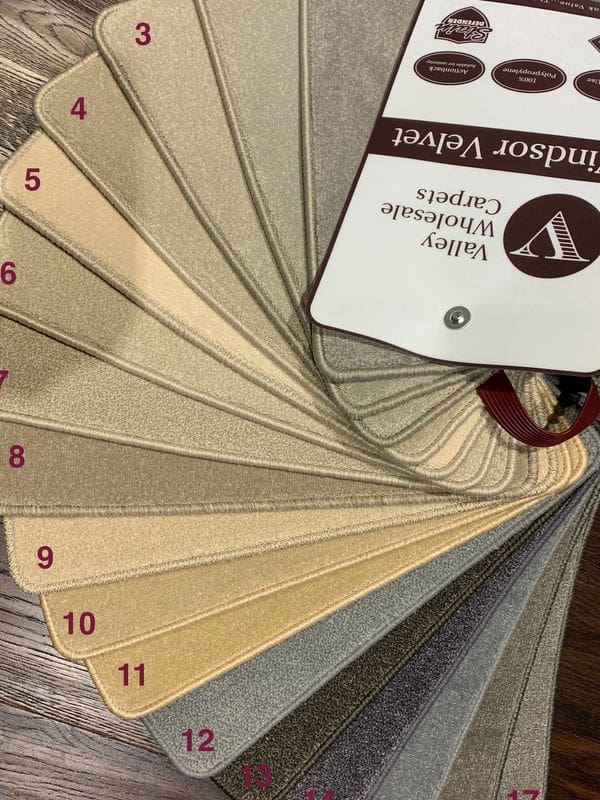
Carpet is a key part of making a home feel cosy and welcoming, providing warmth underfoot and an overall aesthetic.
But many homeowners don’t often think about when it’s time to replace their carpet, and often hold onto it way past its best. Knowing when to invest in a new carpet can make a big difference to comfort and health.
This blog will walk you through the average lifespan of different carpets, signs that it’s time to replace them, and practical advice to help you make a decision.
Whether you live in a busy family home or a quiet flat, knowing when to replace your carpet can save you money and your living space.
Average Lifespan of Different Carpets
Different carpet materials have different lifespans, largely dependent on quality and usage. Synthetic carpets (nylon and polyester) last between 5-10 years. These are cheaper but wear out faster in busy households.
Wool carpets are renowned for their durability and can last up to 15 years or more if maintained properly. Wool fibres naturally resist dirt and stains better than synthetics, making them a popular choice for those looking for a long-term investment.
But the quality of carpet and installation also play a big part in how long it will last.
Signs Your Carpet Needs Replacing
One of the most obvious signs your carpet needs replacing is visible wear and tear. This includes frayed edges, flattened fibres and bald patches where the carpet pile has worn away completely.
When these signs appear, the carpet looks tired and worn, and the room looks dull.
Persistent stains and unpleasant odours are also a big sign that it’s time to replace. Even professional cleaning can’t remove ingrained dirt, pet smells or mildew, which can affect the air quality in your home.
And if family members are experiencing increased allergy symptoms, this could be due to dust mites and allergens trapped in your old carpet.
Factors That Affect Carpet Longevity
The amount of foot traffic your carpet gets affects how long it will last. Areas like hallways, stairs and living rooms get more wear and tear so carpets in these areas will need replacing sooner than those in less-used rooms.
If you have pets or young children, this will also accelerate the wear and tear due to spills, claws and general activity.
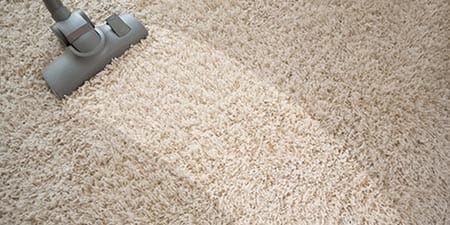
How often and how well you clean your carpet is another big factor. Regular hoovering and annual professional cleaning can extend a carpet’s life by removing dirt and debris that damage the fibres.
A good quality underlay beneath your carpet not only adds comfort but also protects the carpet from premature wear.
Repair vs Replacement: When to Make the Call
If the damage to your carpet is minor, such as a small stain or a patch worn thin in one spot, repair or deep cleaning may be enough.
Carpet patching is an affordable way to refresh certain areas without the cost of a full replacement. Professional carpet cleaners can also revive carpets that have suffered superficial damage.
But when the damage is widespread or the carpet is over 10 years old, replacing it is often the more practical and cost-effective solution.
Old carpets harbour allergens and lose their softness and appeal over time. It’s wise to get a professional opinion to assess if repairs will suffice or if it’s time to invest in a brand new carpet.

Benefits of Replacing Your Carpet
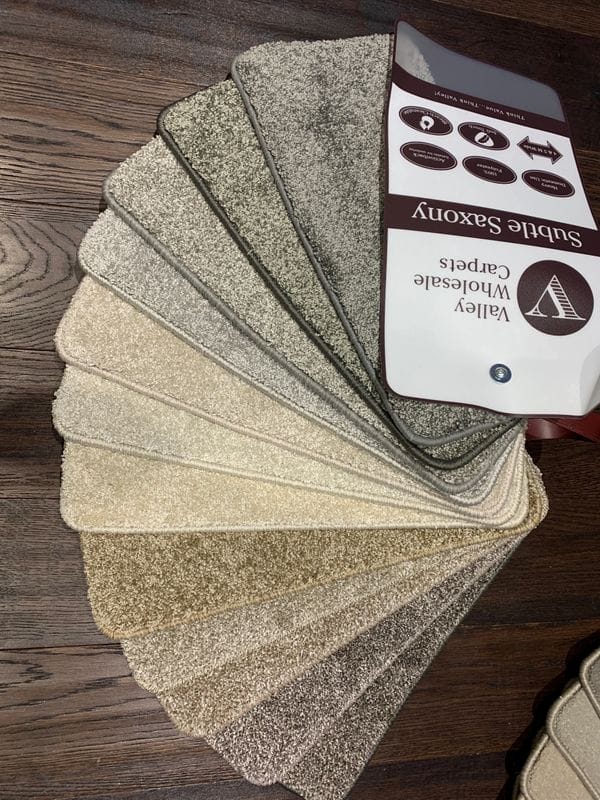
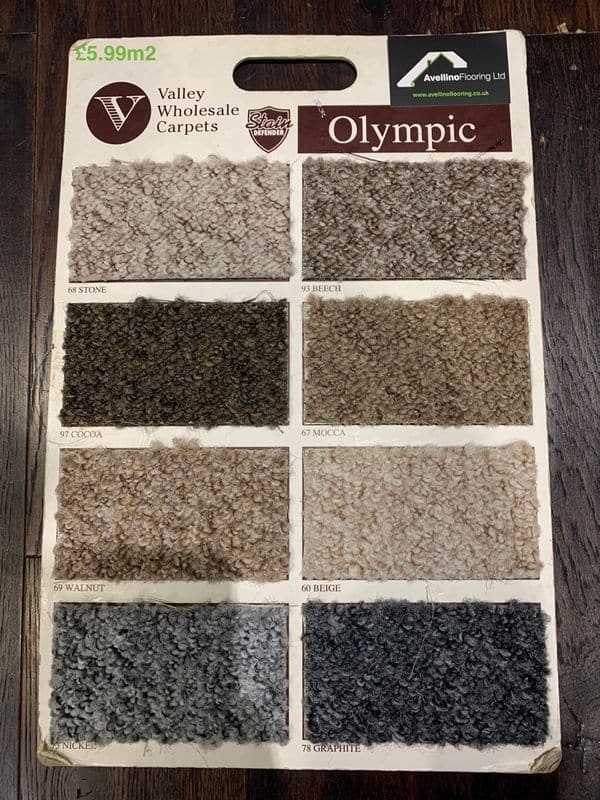
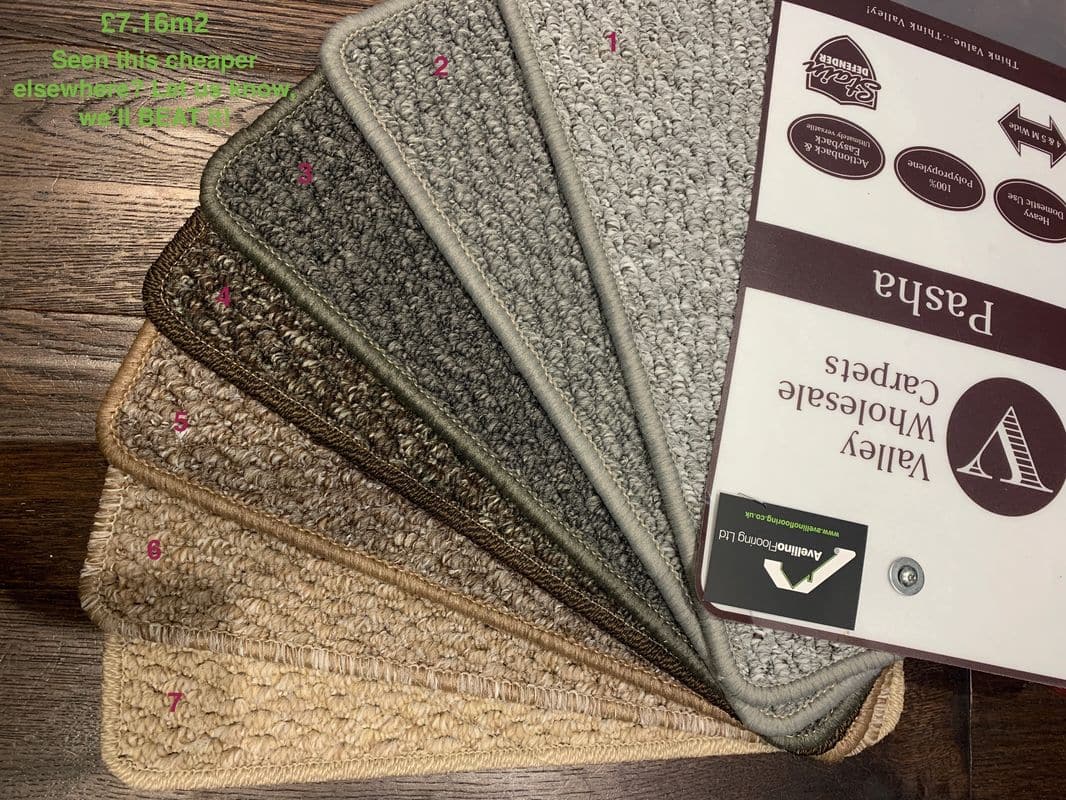
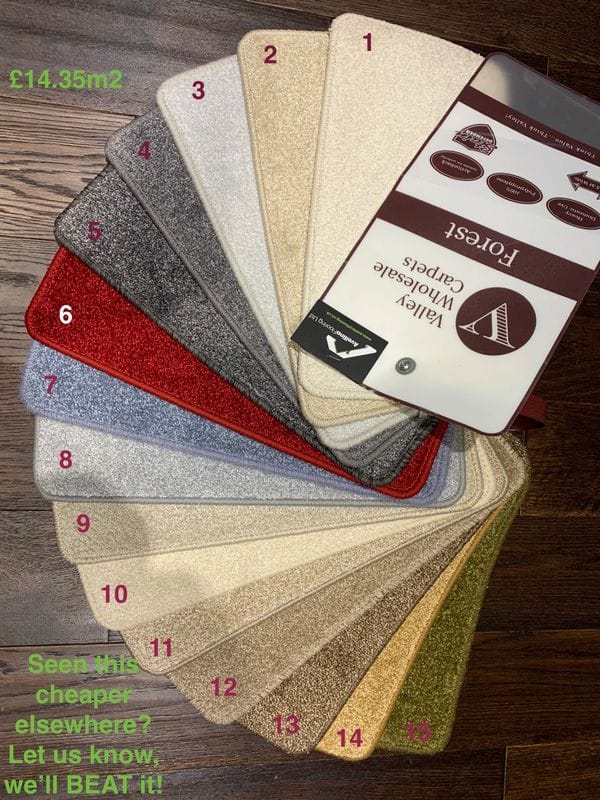
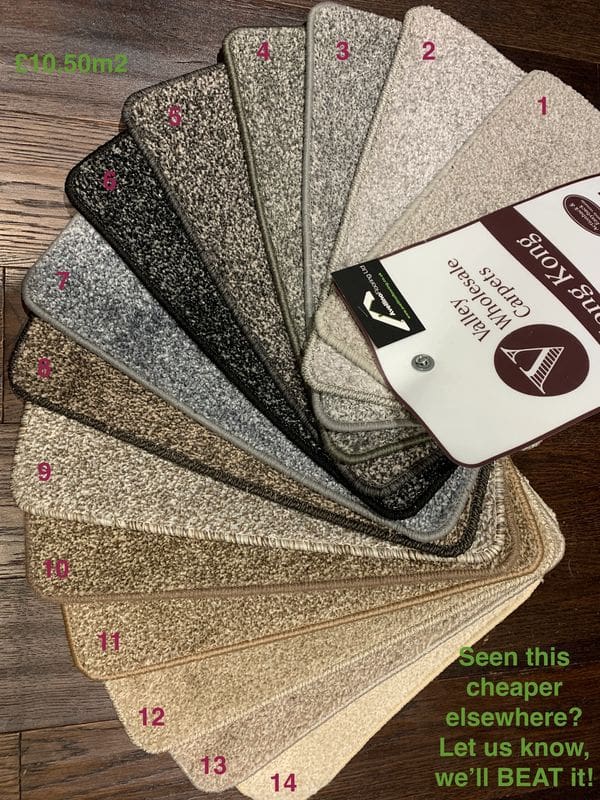
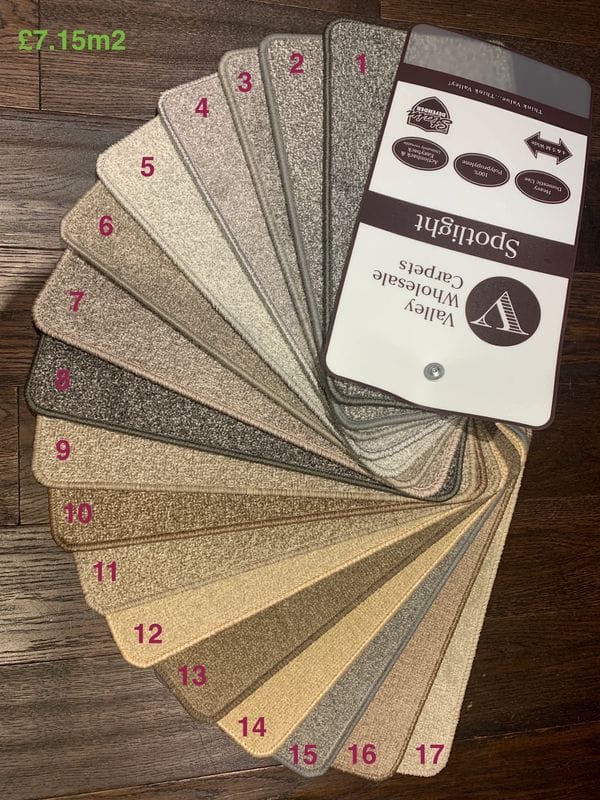
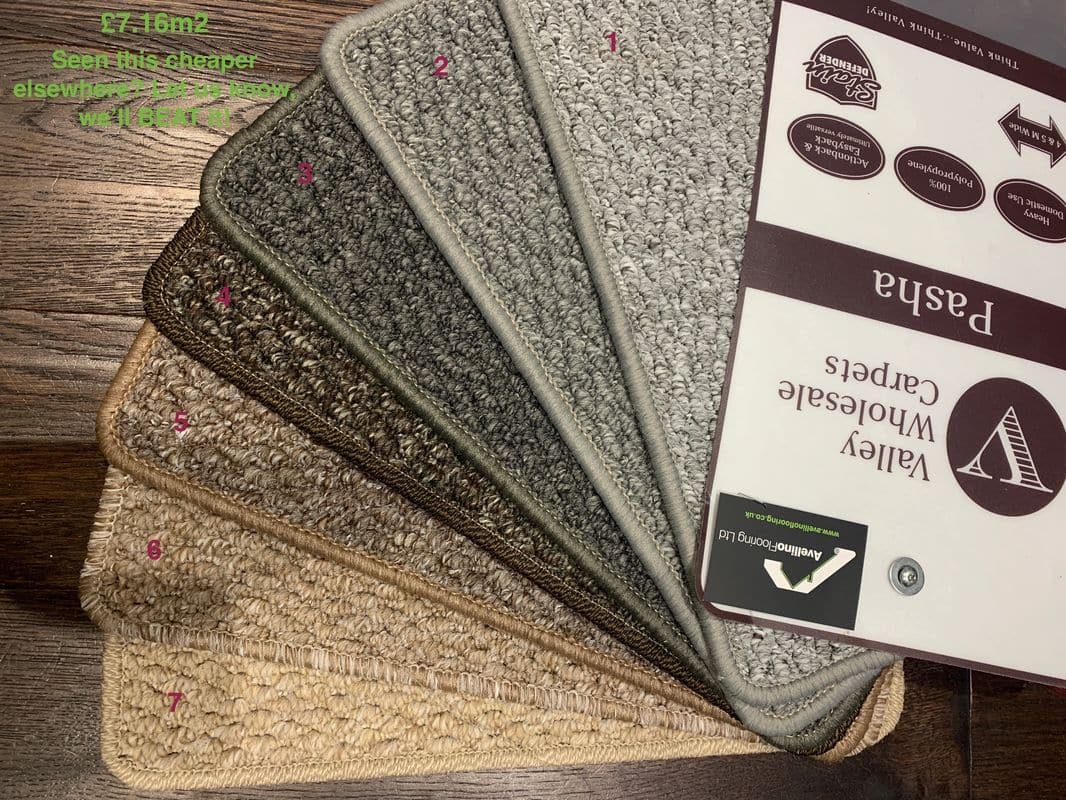
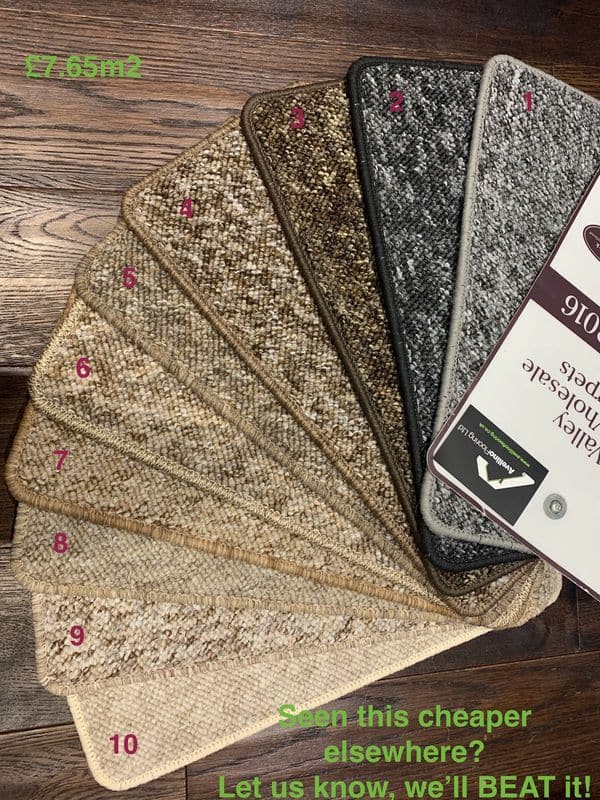
A new carpet instantly improves the comfort and visual appeal of your home. Modern carpets come in a wide range of textures, colours and styles so you can update your decor and create a fresh atmosphere.
New carpets feel softer and more inviting underfoot and create a cosy living space.
Beyond aesthetics, a new carpet can improve indoor air quality by reducing dust and allergens. Over time, old carpets can trap pollutants that affect breathing and overall health.
And a new carpet adds value to your property, which is especially important if you plan to sell or rent your home soon.
Tips for Choosing a Long Lasting Replacement
When choosing a replacement carpet consider the materials carefully. Wool is still the top choice for durability and natural stain resistance, synthetic fibres like nylon and polypropylene are budget friendly options that perform well in high traffic areas.
Each material has its advantages depending on your household.
Choose colours and patterns that can hide dirt and wear and tear will help maintain your carpet’s appearance over time. Light colours can brighten a room but may show stains more easily, patterned carpets can hide imperfections better.
Don’t forget the importance of a good quality underlay and professional installation to get the most out of your new carpet.

Conclusion
Replacing your carpet is crucial to a comfortable and healthy home.
By knowing the signs of wear, the lifespan of different carpets and your household’s needs, you can make an informed decision when to change.
If your carpet is showing damage, stains or is just past its best, replacing it will bring a fresh look and improved air quality to your space.
For advice or a free quote on new carpets, call Avellino Flooring today.