A visible carpet seam can draw the eye for all the wrong reasons. Even when the carpet itself is good quality, a join in the wrong place, running the wrong way, or handled without care can make a room feel less neatly finished.
The good news is that seams are not guesswork. A good fitter plans where joins should sit, how the pile will face, how light will fall across the room, and how the carpet will be stretched, trimmed and secured before the first cut is made.
Why carpet seams show in the first place
Most fitted carpets are supplied in set roll widths. When a room is wider than the roll, or when several spaces need to be covered from the same carpet, joins may be needed. A seam is simply the point where two pieces of carpet meet. When it is planned and fitted well, it should sit flat, stay secure and blend into the room as naturally as possible.
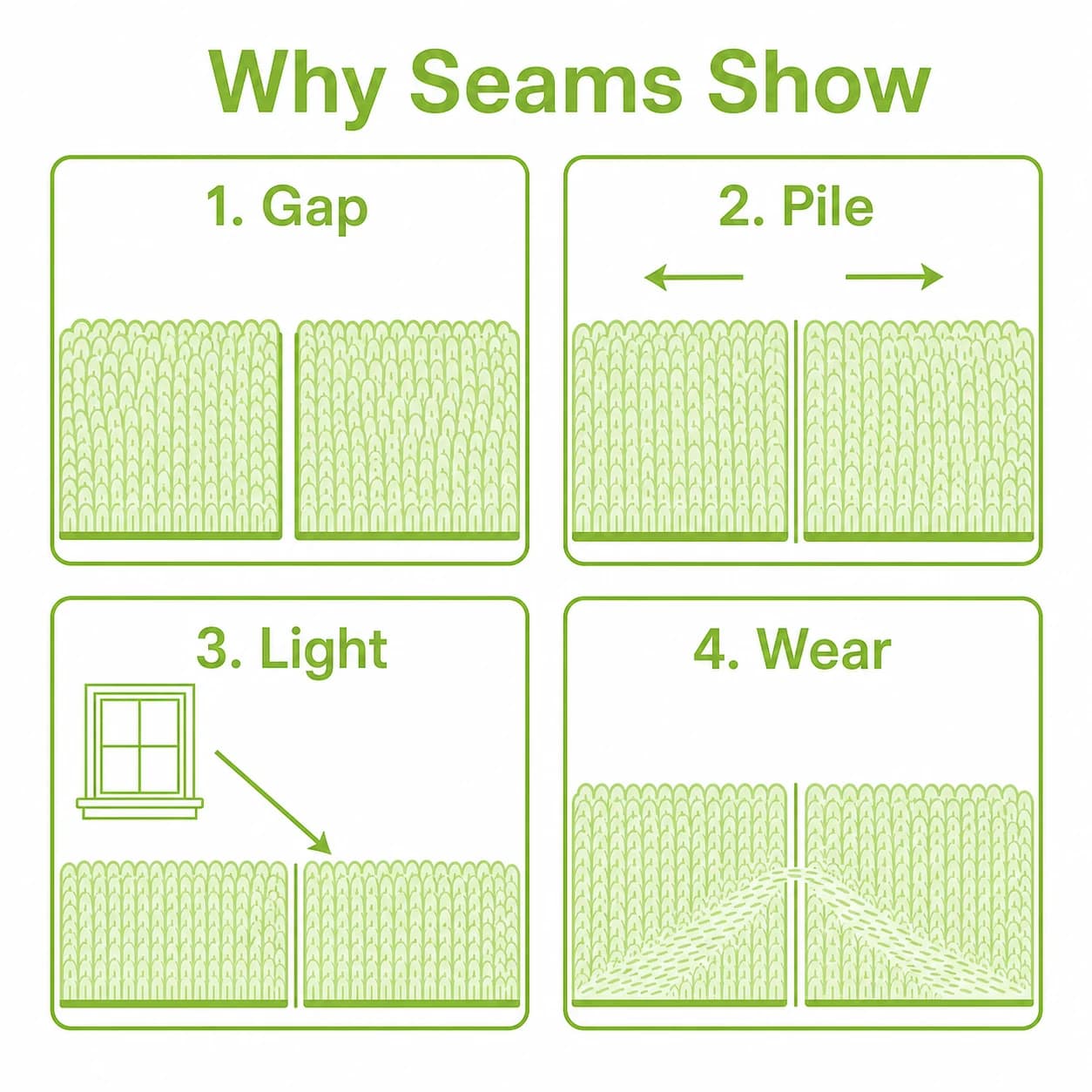
Seams tend to show when one of three things happens. The two pieces do not sit in the same direction, the join is placed where the eye naturally lands, or the backing and pile are not brought together cleanly. Sometimes the seam itself is sound, but light catches the pile differently on either side and makes the join appear more obvious.
That is why seam quality is about more than cutting a straight line. The fitter has to think about the carpet type, the shape of the room, doorways, furniture positions, traffic routes and the way the carpet will be viewed day to day. Professional carpet fitting gives this planning stage the attention it deserves, so the finished room looks intentional rather than patched together.
Pile direction and light make a big difference

Carpet pile has a direction. Run your hand across a carpet one way and it may look lighter. Brush it the other way and it may look deeper or richer. This is especially noticeable with cut pile carpets, softer finishes and carpets with a slight sheen. If two pieces are joined with the pile running in different directions, the seam can stand out even if the cut is neat.
Light adds another layer. A seam that seems subtle in low light can become more noticeable when daylight falls across it from a window or when ceiling lights skim the surface. Long rooms, open layouts and rooms with strong natural light need careful thought because the eye can follow a join line across the floor.
A fitter will normally aim to keep pile direction consistent throughout the room and, where possible, through connected spaces. They will also consider the main viewing points. For example, the join that looks acceptable from one side of a room may be more visible from the doorway. Planning the seam around how the room is actually used is often what separates a tidy finish from a frustrating one.
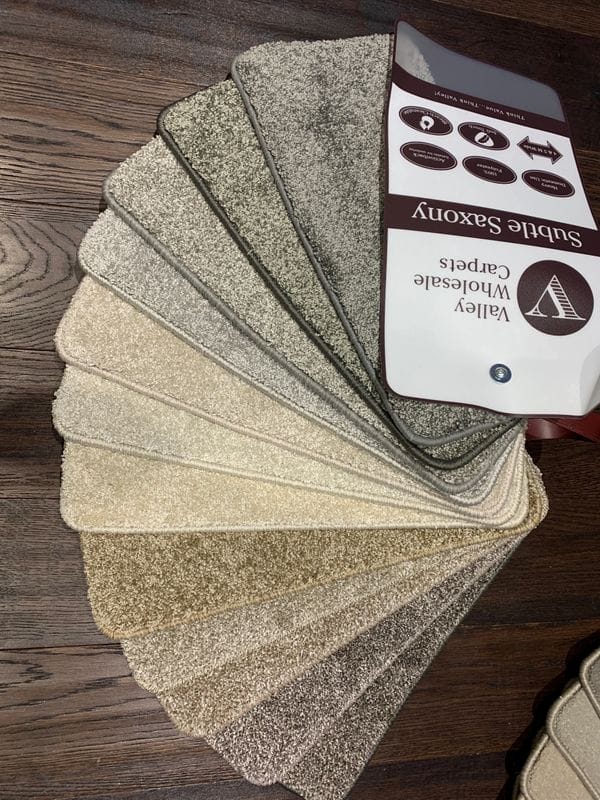
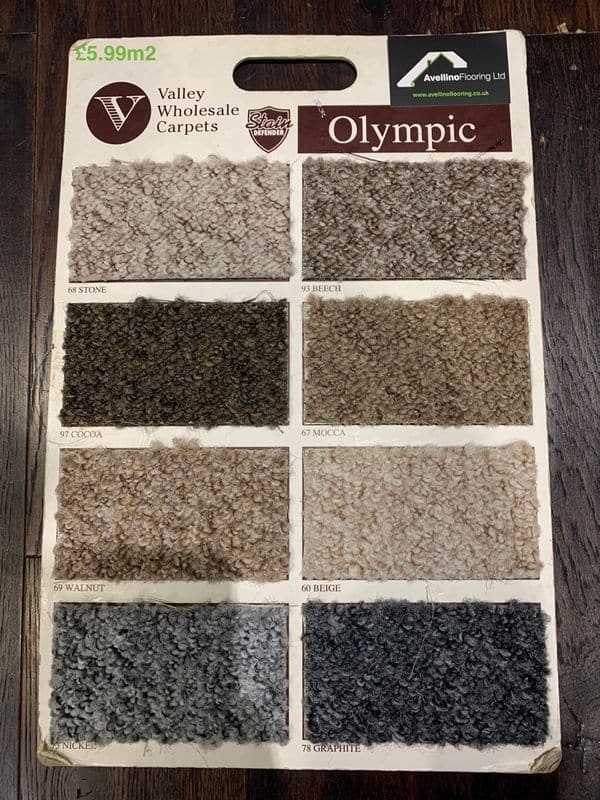
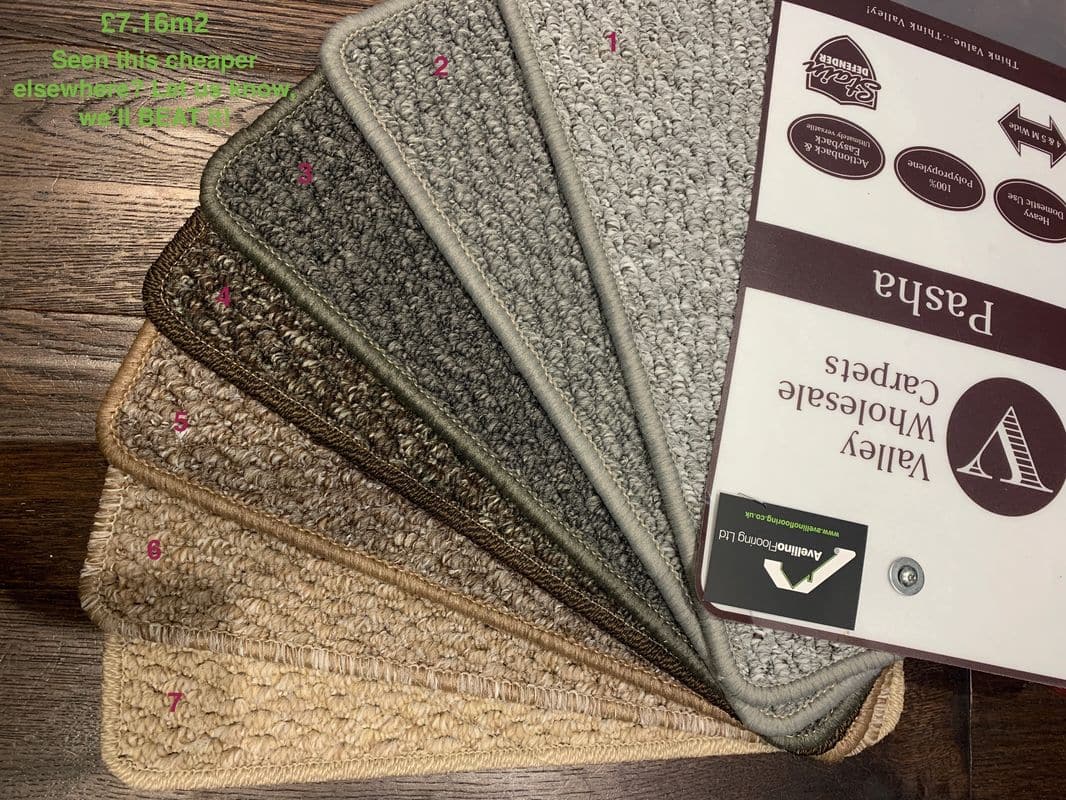
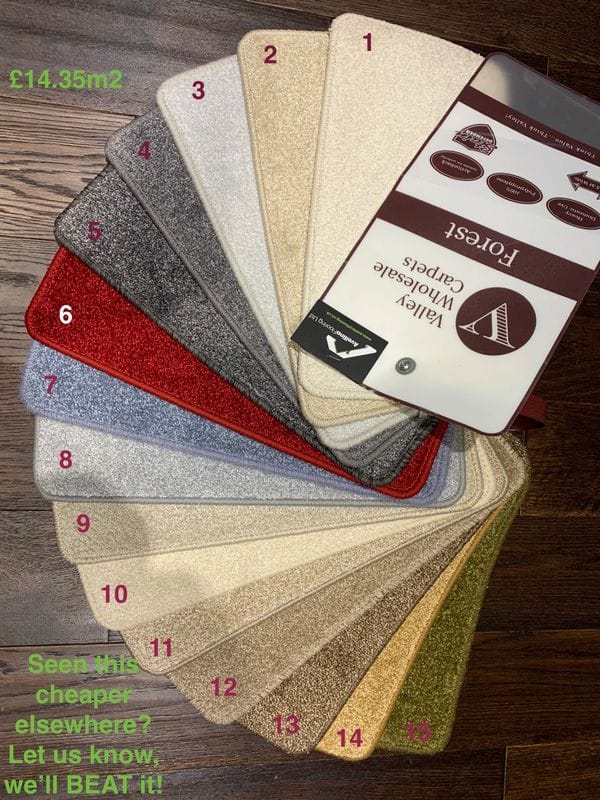
Carpet texture matters too. A dense twist, a loop pile, a deep pile or a patterned carpet can each behave differently at a join. If you are still comparing finishes, it is worth understanding how carpet textures and pile height affect appearance before choosing the final product.
Room layout affects where joins should go

The best seam position is rarely random. In a simple rectangular room, the aim may be to avoid a join altogether if the roll width allows it. In larger rooms, alcoves, open plan areas or rooms with angled walls, the fitter has to decide where the join will be least noticeable and most reliable.
Heavy traffic routes matter. A seam placed where people constantly walk, turn or drag chairs may be put under more pressure than one positioned in a quieter part of the room. Doorways also need care because they create concentrated wear and are highly visible. A join near a threshold can look untidy if it is not aligned, secured and finished properly with the right trim.
Furniture can help, but it should not be the whole plan. Hiding a seam under a large item may work in some rooms, but a good fitter should still create a clean join that can stand on its own. Furniture moves, rooms are rearranged, and rental or commercial spaces often change use. The seam should not rely on a sofa or cabinet to make it acceptable.
Awkward room shapes also affect waste. A skilled fitter will balance appearance with sensible material use, planning cuts so the carpet flows correctly while avoiding unnecessary joins. If the project includes supply as well as fitting, a service such as carpet and vinyl supply can help match the product, roll width and fitting plan from the start.
Carpet type can make seams easier or harder to hide
Some carpets are naturally more forgiving at joins than others. A textured twist can often disguise slight changes in pile more effectively than a very smooth, plain finish. Patterned carpets can hide a seam visually, but only if the pattern is matched carefully. Loop pile carpets may need particular care because the rows can draw attention to even small alignment issues.
Plain carpets in lighter shades can reveal shadows, pressure marks and pile changes more readily. Darker carpets can hide some marks but may still show a seam if the pile direction changes or if light catches the join. Very soft carpets can compress differently on either side of a seam if they are not stretched and settled evenly.
Backing also plays a role. A clean seam depends on the cut edge, the stability of the backing and the way the two pieces are brought together. If the edge frays, gaps, overlaps or lifts, the join becomes more visible and may wear faster. The right joining tape, adhesive method and pressure during fitting all help create a stronger, flatter result.
This is one reason fitting advice should not be separated from carpet choice. A carpet might look ideal as a sample, but the final result depends on the room size, the roll width and the likely seam positions. Looking at the different types of carpet with fitting in mind can prevent surprises later.
How good fitting prevents visible seams

Good seam work starts before the carpet is cut. The fitter measures the room, checks the roll width, plans the pile direction and decides how each piece will sit. They will usually look at doorways, natural light, focal points and traffic routes before settling on the layout.
Accurate cutting is essential. The two edges need to meet cleanly without a gap and without being forced together. If the carpet is trimmed too heavily, a line can appear. If it is left too full, the seam may ridge or lift. A sharp blade, straight edge and steady technique make a real difference.
Stretching also affects seam visibility. Carpet should be fitted under the right tension so it sits flat across the floor. If one side of the join is under more tension than the other, the seam can distort over time. Good use of grippers, underlay and tools helps the carpet settle evenly and keeps the join stable.
The subfloor and underlay matter as well. A seam over a dip, ridge or uneven area can show more clearly because the carpet cannot lie consistently. The fitter may check the surface, underlay joins and any threshold details before the carpet is fixed. These practical steps are not decorative, but they are exactly what makes the finished floor look clean.
Finally, a good fitter finishes the edges properly. Trims, thresholds and transitions should sit neatly where carpet meets another floor covering. If existing trims or grippers are being considered, it helps to know when old grippers and trims can be reused and when replacing them gives a better result.
What homeowners and landlords can do before fitting day
You do not need to become a fitting expert, but a few practical decisions can help the fitter achieve a better finish. The most useful thing is to discuss seams before the carpet is ordered or cut. Ask where joins are likely to sit, whether the carpet width suits the room, and how pile direction will be handled through doorways and connected spaces.
It also helps to think about how the room will be used. In a busy family room, a rental flat, a home office or a small commercial interior, the main walking routes and furniture positions may affect the best seam plan. A fitter can use that information to make sensible choices.
- Clear the room as agreed, so measuring and fitting can be done accurately.
- Mention any planned furniture changes, especially large items or desks with castors.
- Ask about threshold trims if the carpet meets vinyl, laminate or another surface.
- Raise any concerns about strong light, plain carpets or large room widths before fitting starts.
For landlords and property managers, seam planning is especially important because rooms need to look presentable and stand up to regular use. A neat, practical fitting plan helps the flooring feel ready for occupation without drawing attention to joins, thresholds or awkward cuts.
- Visible seams are often caused by pile direction, light, room layout and carpet type, not just the join itself.
- A good fitter plans seam positions before cutting, with traffic routes, doorways and viewing angles in mind.
- Carpet choice and fitting plan should work together, especially in larger or awkward shaped rooms.
- Underlay, grippers, trims, tension and subfloor condition all affect how neatly a seam sits.
- Talking through likely joins before fitting day helps prevent avoidable surprises.
Frequently asked questions
Can carpet seams ever be completely invisible?
Some seams can be made very discreet, but complete invisibility cannot always be promised. Carpet type, pile direction, light and room size all affect the final appearance. The aim is a neat, secure join placed where it looks as natural as possible.
Why does my carpet seam look darker on one side?
This is often caused by pile direction or light. If the pile reflects light differently on each side of the join, one piece can appear darker even when the carpet is from the same roll. Careful planning helps reduce this effect.
Is it better to avoid seams altogether?
Where the room size and carpet width allow it, avoiding a seam can be ideal. In larger or more complex spaces, a seam may be necessary. A planned seam is usually far better than forcing an awkward layout that wastes material or creates fitting problems.
Should seams be discussed before ordering carpet?
Yes. Discussing seams early helps match the carpet, roll width and room layout. It also gives the fitter a chance to explain where joins are likely to sit and how they can be finished neatly.
Planning a carpet that looks neatly finished?
Avellino Flooring can help with practical advice, careful measuring and professional fitting, so seams, edges and thresholds are planned properly from the start.