Underfloor heating (UFH) is becoming more and more popular across the UK, it’s an energy-efficient and visually pleasing alternative to traditional radiators.
It distributes heat evenly throughout the room, eliminating cold spots and creating a comfortable living space. Plus it frees up wall space so you don’t need bulky radiators.
But to get the most out of an underfloor heating system you need to choose the right flooring. Different materials conduct and retain heat to varying degrees, it can impact both efficiency and comfort.
The wrong choice can reduce heat output and even damage the flooring itself. In this guide we’ll look at the best flooring options for underfloor heating and what to consider when deciding.
Types of Underfloor Heating
Underfloor heating systems fall into two categories: electric (dry) and water-based (wet). Electric UFH is a network of heating cables or mats installed beneath the flooring. This type of system is easier to install and is often used for single room applications such as bathrooms or kitchens.
Electric UFH is efficient but can be more expensive to run compared to water-based systems.
Water-based UFH circulates warm water through a network of pipes embedded in the floor. This type of system is generally more cost effective in the long run as it runs at lower temperatures but still provides sufficient heat.
However, it requires a more complex installation process so is better suited for new builds or major renovations. Both systems benefit from flooring that transfers and retains heat well, so material selection is key.
What to Consider When Choosing Flooring for UFH
When choosing flooring for an underfloor heating system thermal conductivity is one of the main things to consider. Materials with high conductivity like tile and stone allow heat to pass through quickly and efficiently so the room warms up fast.
Insulating materials like thick carpet reduce heat transfer so can be inefficient.
Durability is another important factor as UFH systems make floors expand and contract with temperature changes. Some flooring types like solid hardwood can warp under these conditions so aren’t suitable for underfloor heating.
The chosen flooring also needs to be compatible with the specific UFH system being installed to avoid performance issues or long term damage.
Best Flooring for Underfloor Heating
Tile and Stone Flooring
Tile and stone are the best options for underfloor heating due to their high thermal conductivity.
These materials heat up quickly and retain warmth well, perfect for high traffic areas like kitchens, bathrooms and hallways. They’re also durable even with temperature fluctuations.
Another plus for tile and stone flooring is low maintenance. Unlike wood or carpet they don’t warp, fade or degrade over time. With a wide range of styles to choose from, from porcelain to natural limestone, you can have practicality and style when you choose this flooring type.
Engineered Wood Flooring
If you prefer the warmth and character of wood flooring engineered wood is a great alternative to solid hardwood. Unlike traditional timber engineered wood is designed with multiple layers that provides stability so it won’t warp when exposed to temperature changes.
This makes it suitable for underfloor heating.
In addition to being compatible with UFH engineered wood looks luxurious and timeless. Available in a range of finishes from oak to walnut it suits modern and traditional interiors.
But you need to choose engineered wood with the right thickness and installation method for efficient heat transfer.
Luxury Vinyl Flooring (LVT)
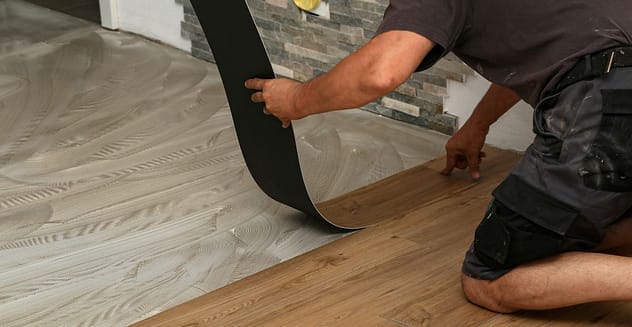
Luxury vinyl flooring (LVT) is another great option for underfloor heating due to its flexibility and heat retention properties. It heats up quickly and evenly and provides a comfortable surface underfoot. LVT is also durable and moisture resistant making it popular for bathrooms and kitchens.
But beyond practical benefits LVT offers a range of designs that mimic natural materials like wood and stone. So you can have the look you want without compromising on performance.
And LVT is easy to maintain, just requires regular sweeping and occasional mopping to keep it looking its best.
Laminate Flooring
Laminate flooring is an affordable and practical option that can work with underfloor heating if chosen carefully. Not all laminate products are suitable for UFH but many modern options are designed to handle temperature fluctuations.
When installed correctly laminate flooring allows for efficient heat distribution.
One of the main benefits of laminate flooring is its ease of installation and maintenance. It provides a stylish look like hardwood but at a fraction of the cost.
But to be compatible with underfloor heating you need to choose a product with the right thickness and heat resistance.
Carpet and Underfloor Heating
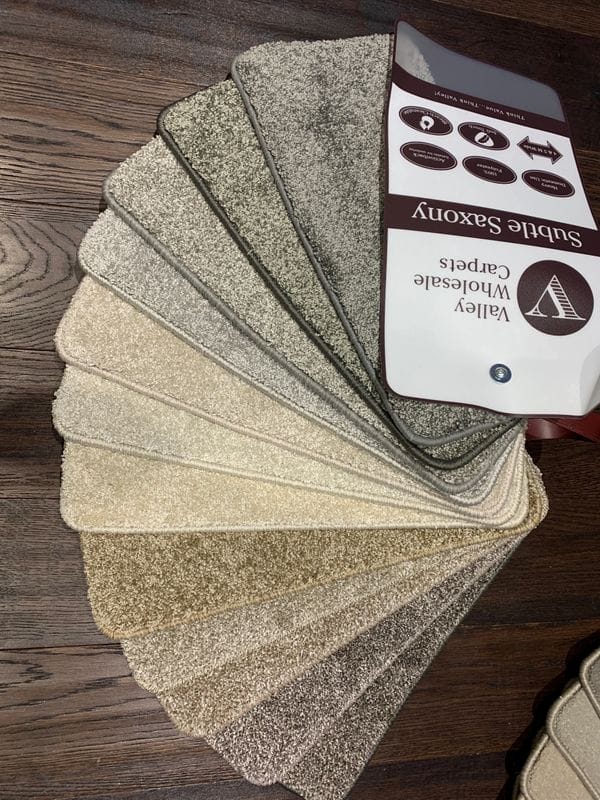
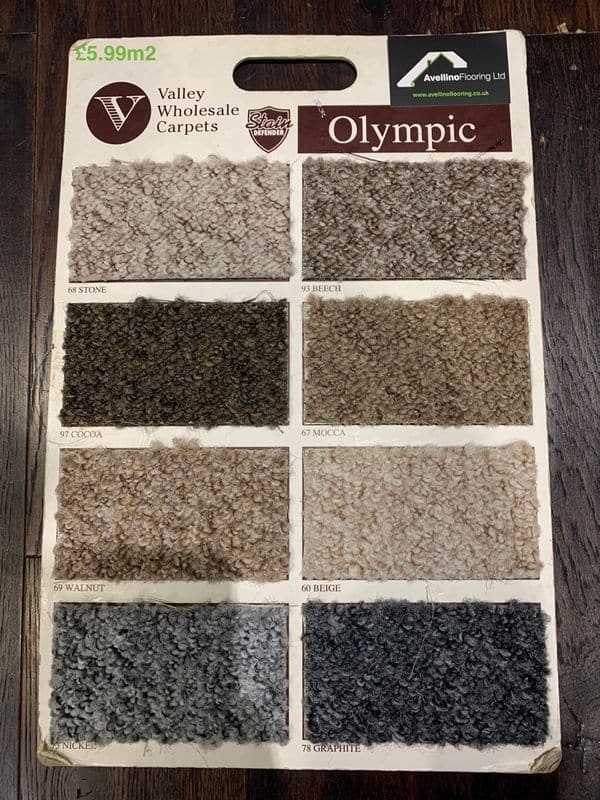
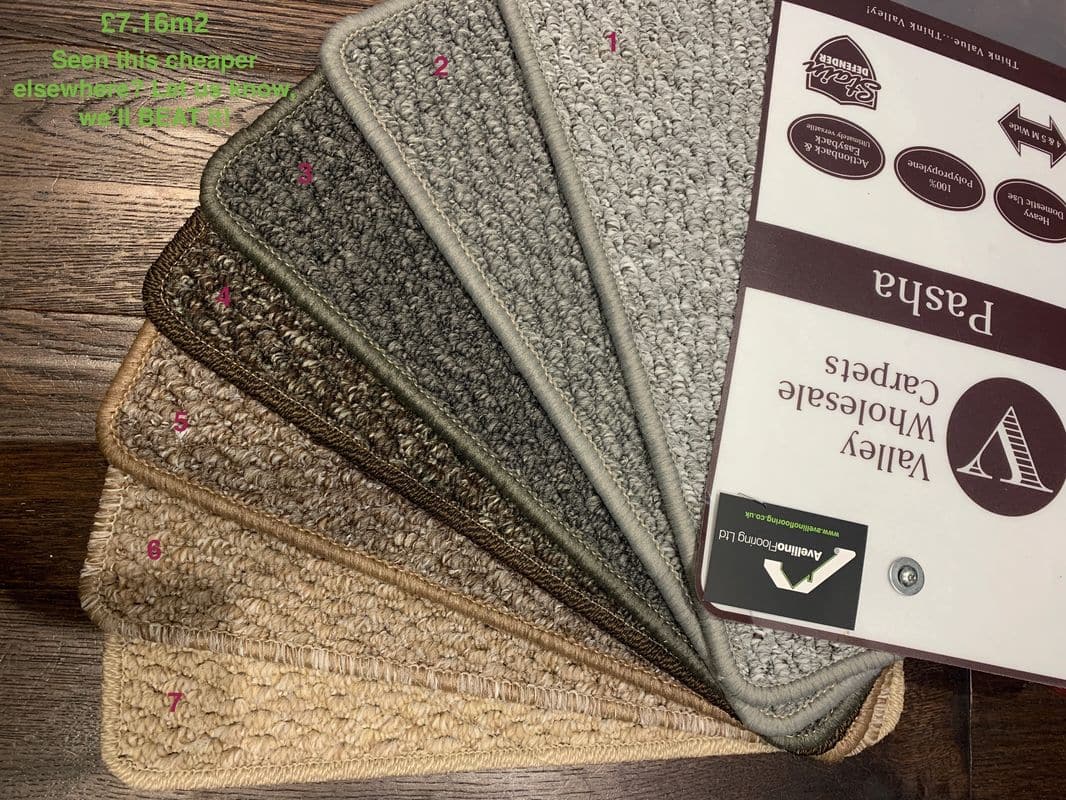
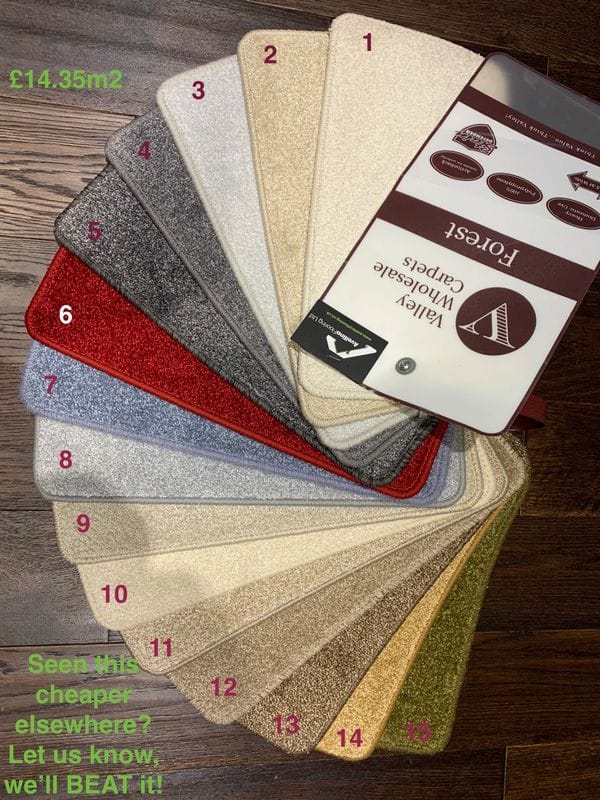
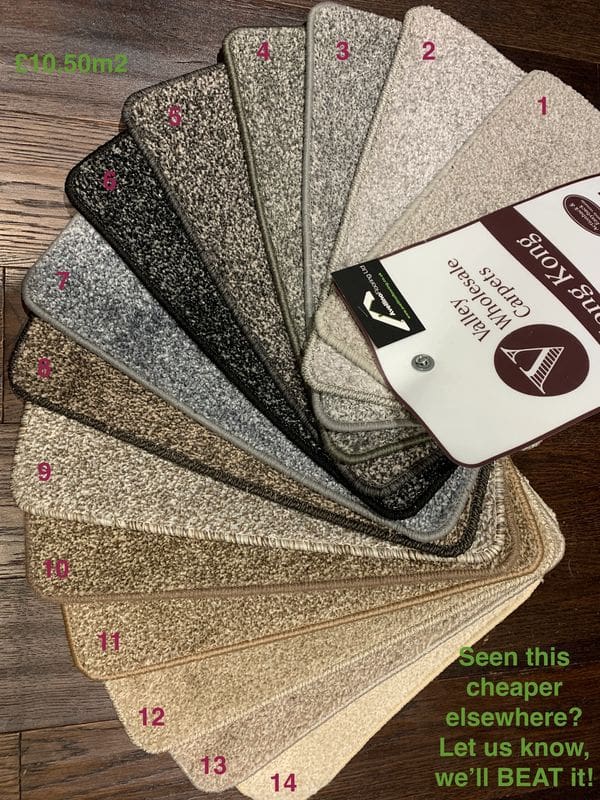
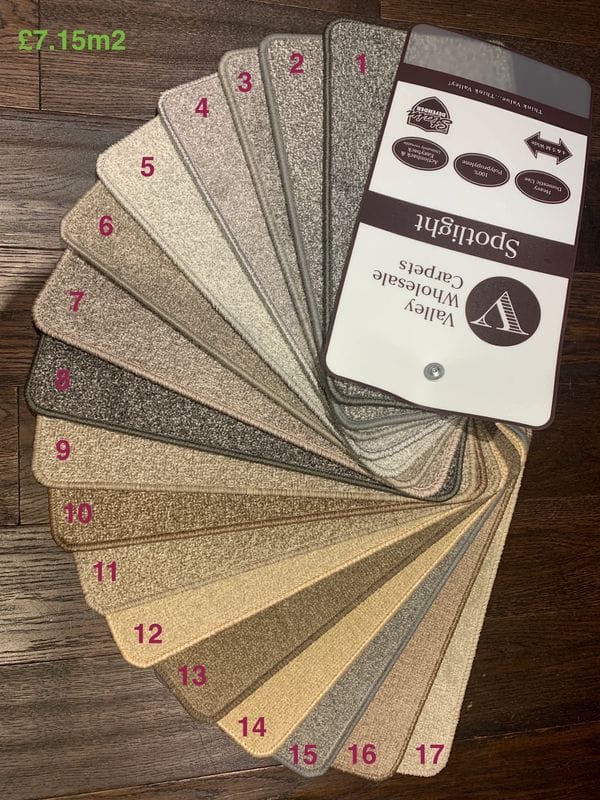
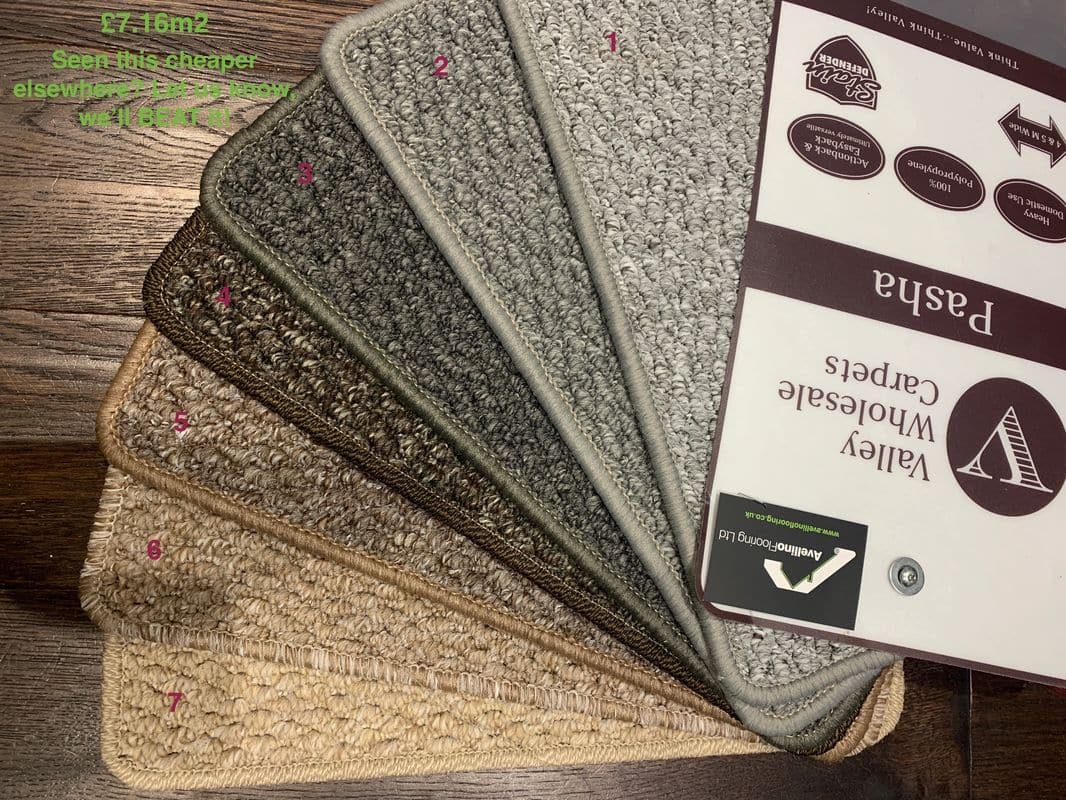
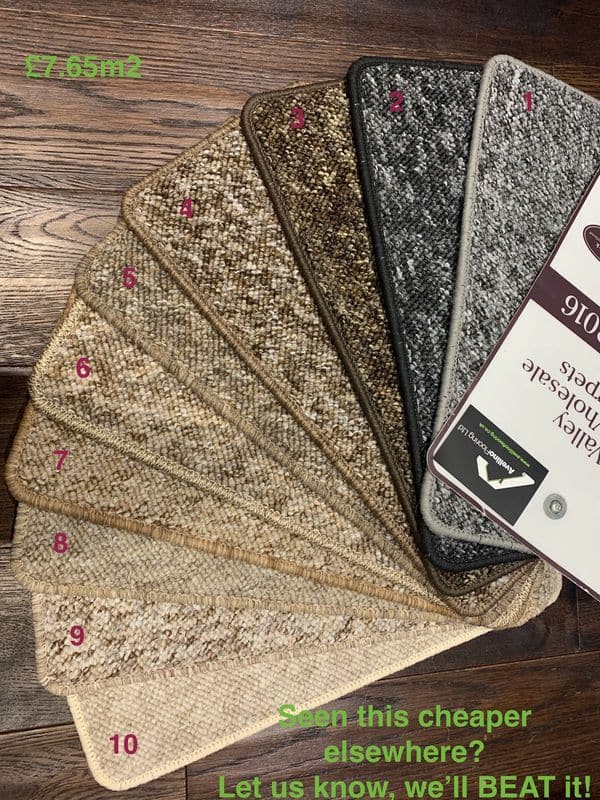
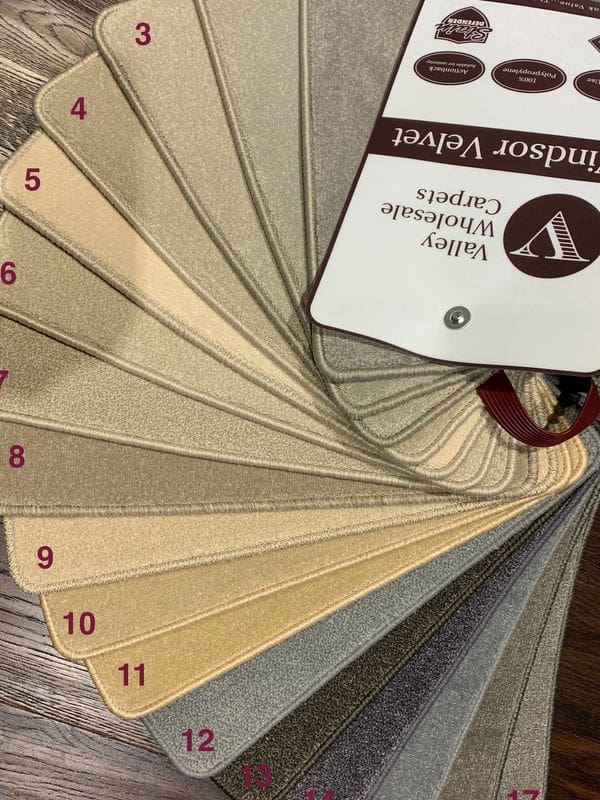
While carpet is not usually associated with underfloor heating, it can be used if chosen carefully. The key is the carpet’s tog rating – a measure of thermal resistance. For UFH a combined carpet and underlay tog rating of 2.5 or lower is recommended for efficient heat transfer.
Short pile carpets made from materials like wool blends or polypropylene are the best options as they conduct heat better than thick dense carpets. And selecting a UFH compatible underlay will help further enhance performance so warmth doesn’t get trapped beneath the flooring.

Flooring to Avoid with UFH
Some flooring materials are not suitable for underfloor heating due to their insulating properties or sensitivity to temperature changes. Solid hardwood for example warps and cracks over time as it expands and contracts. So it’s not recommended for UFH.
Thick carpets with high tog ratings should also be avoided as they act as insulators preventing heat from rising. This reduces the efficiency of the heating system and increases energy costs. Choosing the right flooring is crucial to get the most out of UFH and long term performance.
Installation Tips to Maximise UFH
To get the best from an underfloor heating system proper subfloor preparation is key. A well insulated subfloor prevents heat loss and directs warmth upwards into the room rather than out. Using the right adhesive and underlay can also improve efficiency and prolong the life of the flooring.
Temperature control is also important. Gradually increasing the heat after installation allows the flooring to acclimate and minimises damage. And setting the thermostat to the right level ensures consistent warmth and keeps energy costs manageable.

Conclusion
Choosing the right flooring for underfloor heating makes a big difference to the system’s efficiency and your home’s comfort. Options like tile, stone, engineered wood and LVT offer good heat conductivity and durability so are great choices for UFH.
Carpet and laminate can also work but you need to choose carefully so they don’t impede heat transfer. Think about thermal conductivity, durability and installation requirements and make an informed choice.
Always consult a flooring specialist to check compatibility with your UFH system. With the right flooring you’ll have a warm home all year.