Proper preparation before flooring installation is a crucial step that ensures a smoother, more efficient process. Without adequate preparation, you might face unnecessary delays, complications, or even damage to your new flooring.
Whether you’re installing carpet, vinyl, hardwood, or laminate, taking the time to prepare your home will help protect your investment and ensure a flawless result.
Skipping preparatory steps can lead to avoidable issues such as uneven surfaces, misaligned flooring, or prolonged installation times.
By understanding what’s required and acting accordingly, you’ll not only make life easier for the installers but also enjoy peace of mind knowing that your home is ready for its transformation.
Understand the Flooring Type and Requirements
Different types of flooring have unique installation requirements, and understanding these is the first step towards proper preparation.
For instance, vinyl flooring may require a level and moisture-free subfloor, while hardwood often involves acclimating the planks to your home’s environment before installation.
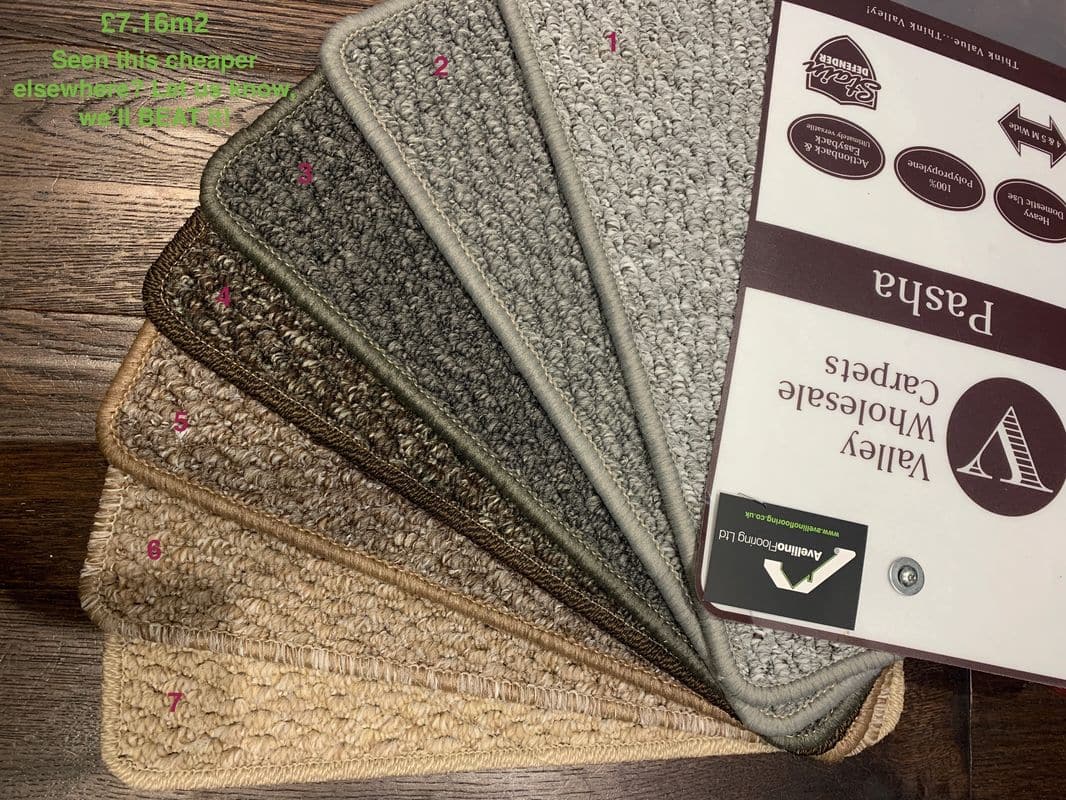
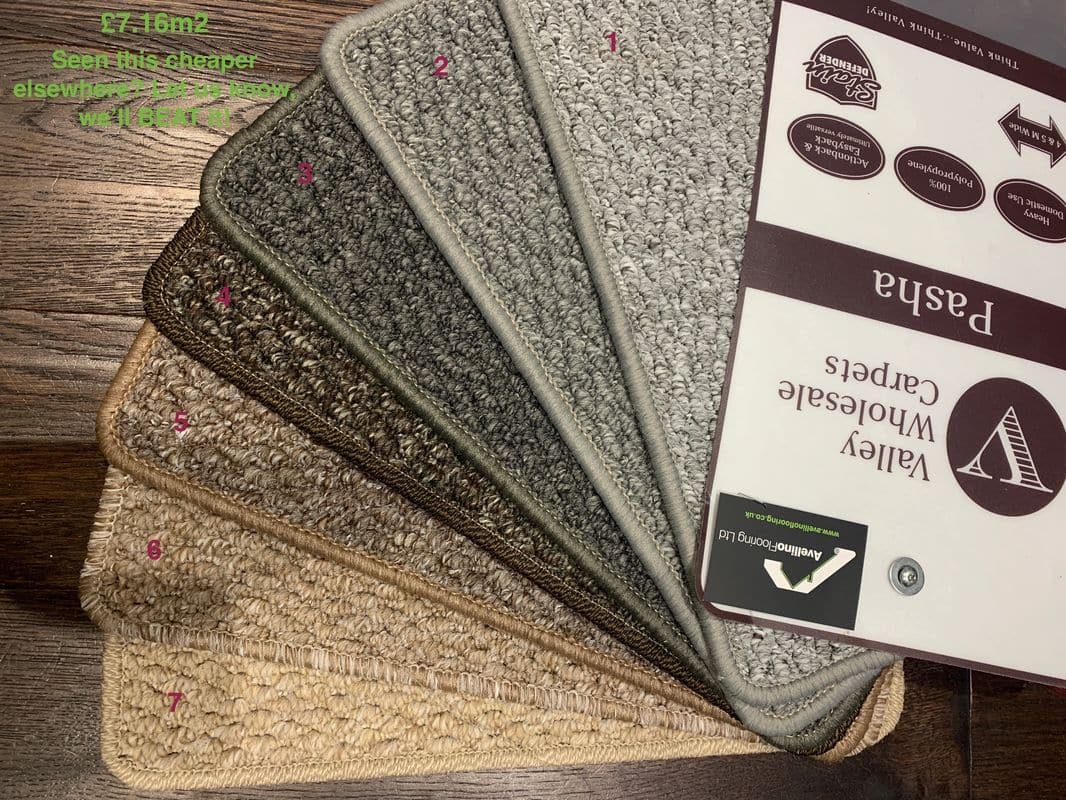
On the other hand, Carpet installations may demand an appropriate underlay to ensure comfort and durability.
Consulting with your flooring provider or installer is key to knowing the specific requirements for your chosen material. They can provide guidance on whether additional steps, such as moisture testing or subfloor repairs, are necessary.
By tailoring your preparation to the flooring type, you can avoid unforeseen issues and ensure a perfect finish.

Clear the Space
One of the most important preparatory steps is to clear the room where the flooring will be installed. Remove all furniture, rugs, and decorative items to provide a blank canvas for the installers to work on.
Small items like lamps and picture frames should be packed away, while larger pieces of furniture may require careful handling or professional moving assistance.
For particularly heavy items, consider hiring a moving service or renting specialised equipment to prevent damage to your belongings or injury. Additionally, ensure the space remains accessible for the installers by keeping walkways clear and clutter-free.
This step not only speeds up the process but also minimises the risk of accidents during installation.
Check the Subfloor Condition
Before installing new flooring, inspecting the subfloor’s condition is vital. Look for any cracks, uneven areas, or signs of moisture damage, as these issues can compromise the quality of the installation.
Addressing these problems beforehand ensures a stable foundation for your new flooring, prolonging its lifespan and maintaining its appearance.
Once any repairs are complete, clean the subfloor thoroughly to remove dust, dirt, and debris. A clean, dry surface allows the adhesive or underlay to bond effectively, preventing problems such as lifting or bubbling.
If you’re unsure about the subfloor’s condition, seek professional advice to ensure it meets the required standards.

Create a Work-Friendly Environment
Creating an environment that’s easy for installers to work in is another crucial aspect of preparation. Start by ensuring there are clear pathways to the installation area, and removing obstacles that could impede progress.
If your home has narrow hallways or tight corners, discuss with the installers how best to manoeuvre the materials and tools.
Adequate lighting and access to power outlets are equally important for a smooth installation. Check that the room is well-lit and provide extension cords if necessary.
Additionally, secure any pets and inform family members about the work schedule to avoid interruptions or safety hazards during the installation process.
Remove Old Flooring (If Necessary)
In some cases, old flooring will need to be removed before the new installation can begin. This step might involve pulling up carpet, removing tiles, or disposing of laminate planks.
If you’re handling the removal yourself, use proper tools and follow safety precautions to avoid damaging the subfloor or injuring yourself.
When removing old flooring, consider how to responsibly dispose of the materials. Many councils offer recycling services for carpet and underlay, while some flooring companies may handle disposal as part of their installation package.
Check with your installer if you’re unsure about what steps to take or prefer professional assistance.

Manage Logistics
Managing the logistical aspects of flooring installation is an often-overlooked but essential part of preparation. Confirm the installation date and time with your provider, ensuring everyone is aligned to avoid last-minute surprises.
It’s also a good idea to arrange for someone to be home during the installation in case the installers have questions or require additional instructions.
Plan ahead for the day itself, especially if the work will disrupt your routine. Consider arranging alternative accommodations for children or pets, and clear the schedule to allow the installers to work without interruptions.
Effective communication with your installer can help address any concerns and ensure the process goes smoothly.
Final Checklist
Before installation day, run through a final checklist to ensure everything is in place. Verify that the space is completely cleared, the subfloor is prepared, and all access points are unobstructed.
Double-check the arrangements with your installer to confirm the agreed schedule and any specific requirements.
A little effort in advance can save a lot of hassle during the installation.
With everything ready, you can sit back and look forward to enjoying your beautiful new flooring, confident that the process will unfold without a hitch.

Conclusion
Proper preparation is the foundation of a seamless flooring installation. By following these steps, you can help ensure that the process is efficient, hassle-free, and yields the best possible results.
Preparing your home not only protects your investment but also makes the experience less stressful for everyone involved.
If you’re ready to upgrade your flooring, contact us today for professional advice and installation services. Let us help you transform your home with minimal disruption and maximum satisfaction.