If your staircase feels noisy, slippery, or worn, carpeting it can completely change the space. In this guide, we explain how to carpet stairs in a clear and practical way.
We cover:
- Choosing the best carpet for stairs
- Tools needed to carpet stairs
- Preparation work
- A step-by-step fitting process
- Common mistakes to avoid
- When to call professionals
Whether you are planning a full DIY project or simply want to understand the process before hiring fitters, this guide will help you make confident decisions.
Why Carpet Your Stairs?
Stairs have more impact than almost any other part of the home. Every step presses down with force. Over time, hard surfaces can become noisy and even unsafe.
Carpeted stairs offer:
- Better grip and reduced slipping
- Noise reduction
- Extra comfort underfoot
- A warmer and more finished look
If you ignore worn or slippery stairs, you risk faster surface damage and potential accidents. That is why stair carpeting is not just about style. It is about safety and durability too.
What is the Best Carpet for Stairs?
Not all carpets are suitable for staircases. Stairs need something strong, dense, and secure.
1. Choose a Durable Fiber
The best carpet for stairs is usually:
- Nylon (very durable and resilient)
- Wool blends (strong and naturally springy)
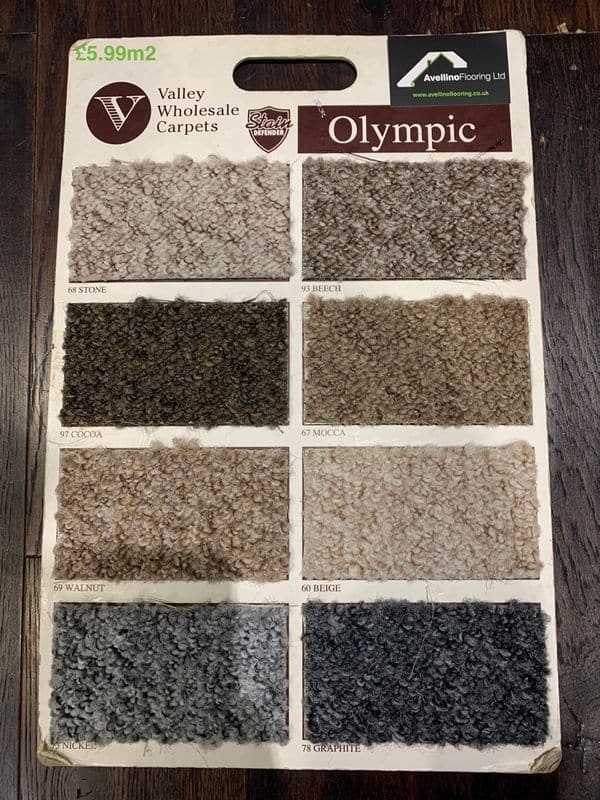
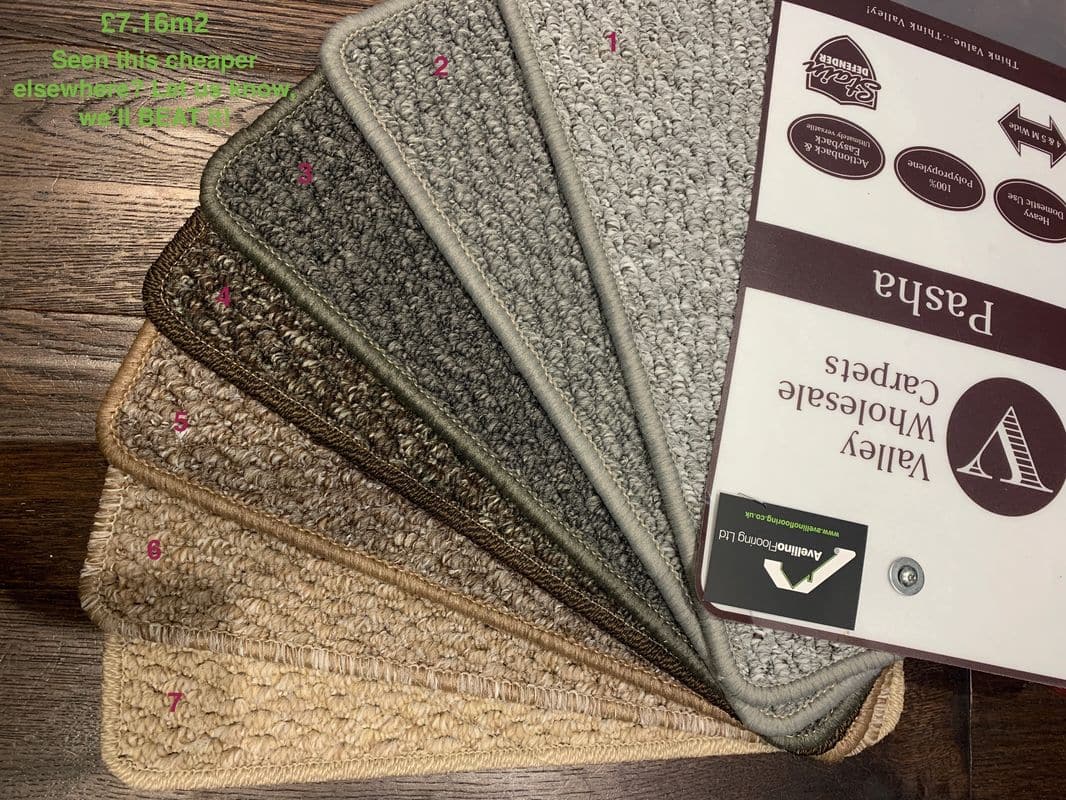
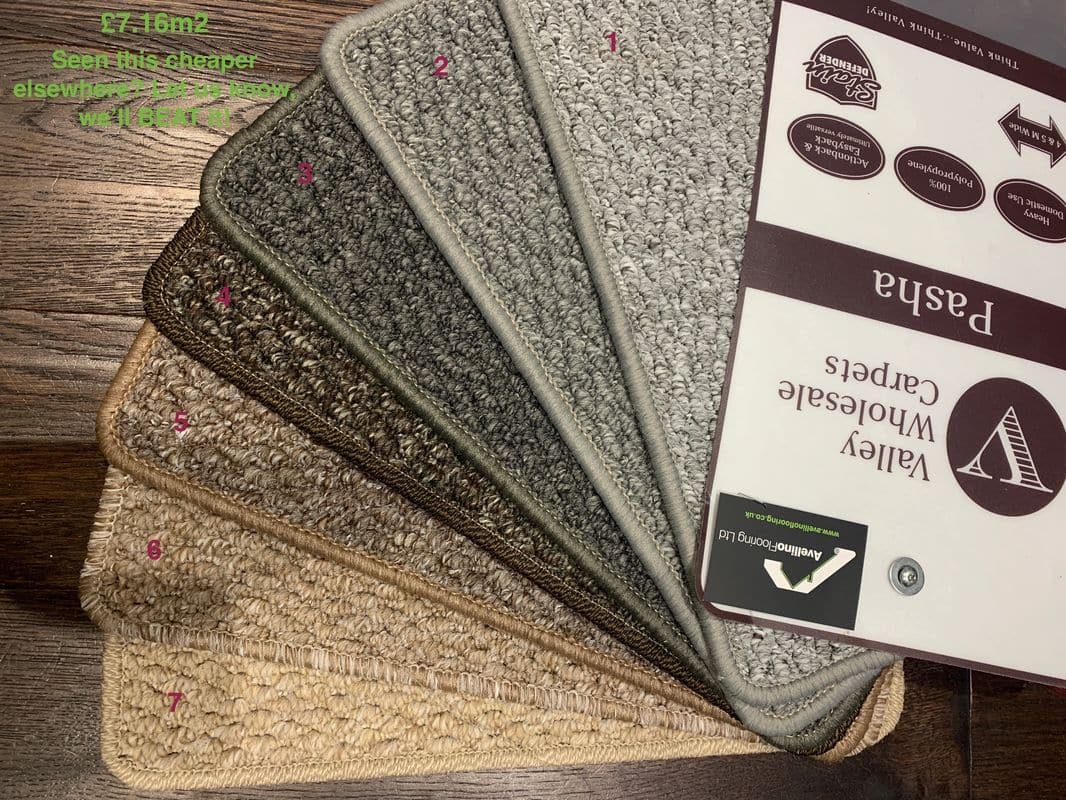
- Tightly woven loop pile
Avoid very thick or fluffy carpets. They may look soft, but they can move underfoot and wear it down quickly.
2. Keep the Pile Low to Medium
A low to medium pile height gives:
- Better grip
- Cleaner edges on each step
- Longer lifespan
Very deep pile can feel unstable on stairs.
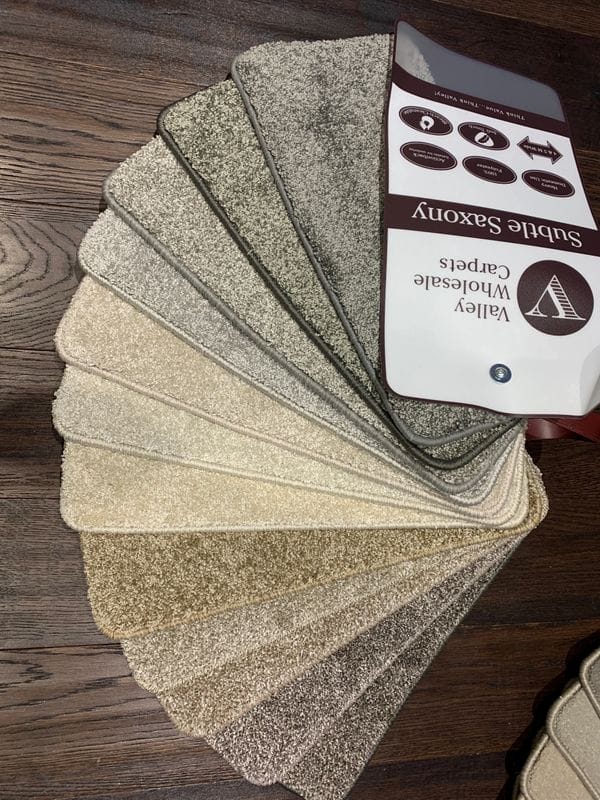
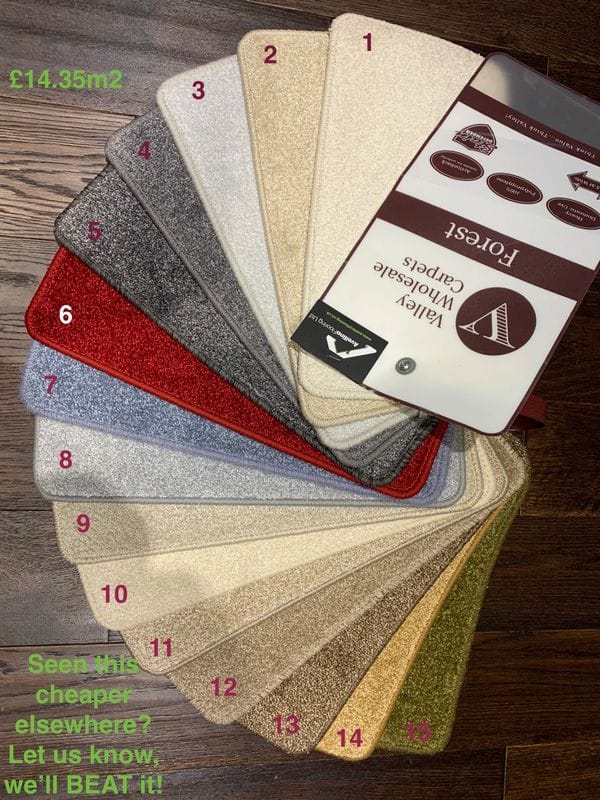
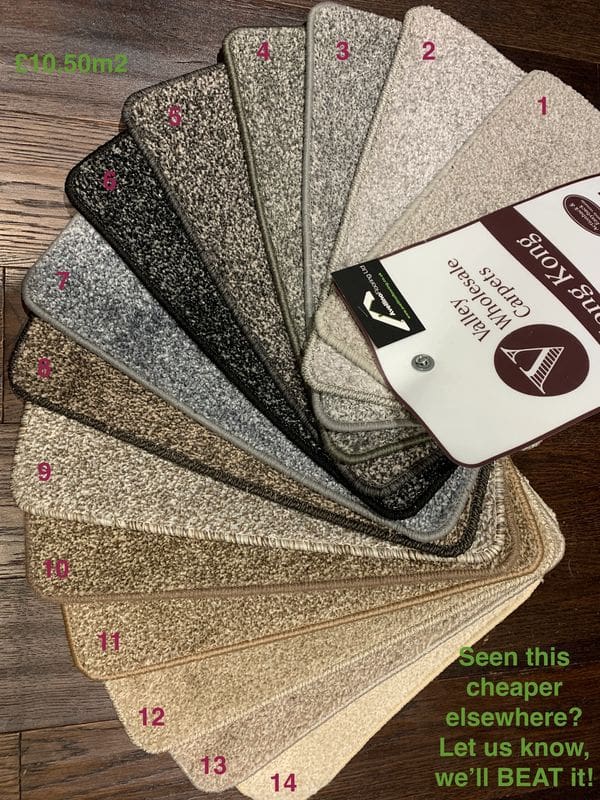
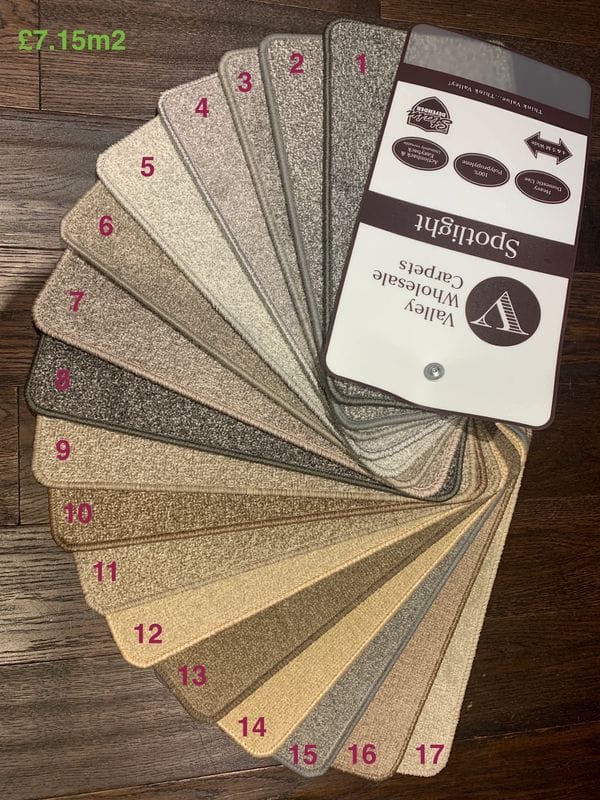
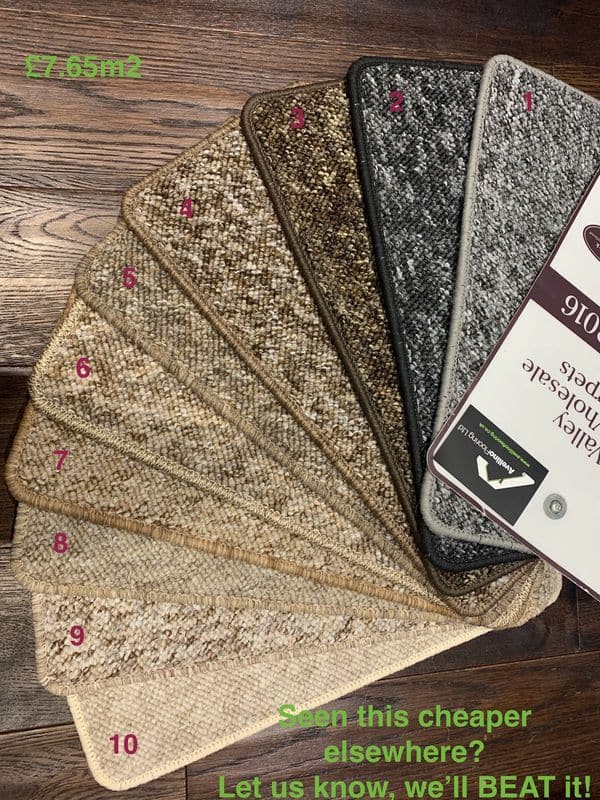
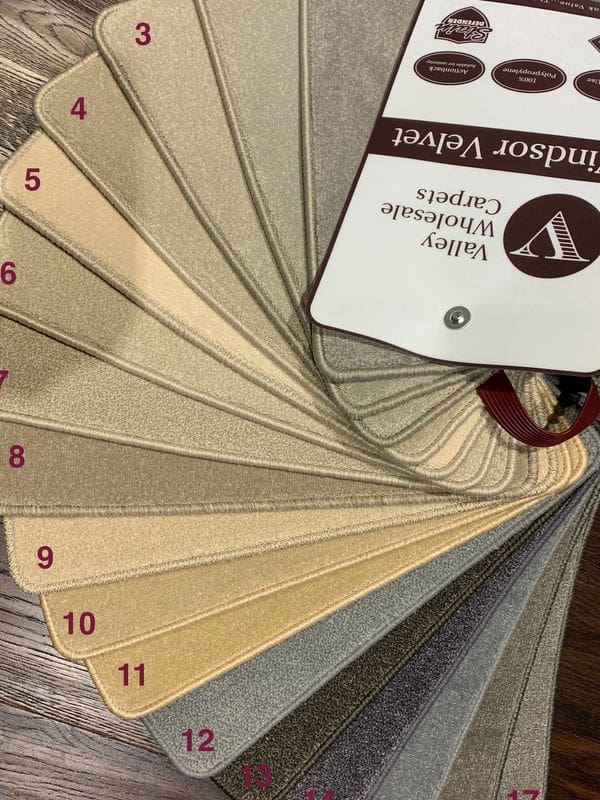
3. Think About Colour
Mid-tones such as greys or warm neutrals hide wear better than very light shades.
Striped designs can also work well and help disguise marks.
If you are unsure, we always recommend seeing samples in person before making a final choice.

Tools Needed to Carpet Stairs
Before starting your DIY carpet stairs project, gather the correct tools. This makes the process smoother and safer.
Essential Tools:
- Measuring tape
- Carpet gripper rods
- Stair underlay
- Staple gun
- Utility knife
- Knee kicker
- Carpet bolster
- Hammer
Having the right tools is just as important as choosing the right carpet. Skipping tools such as a knee kicker often leads to loose-fitting.
Preparation: Before You Start Installing Carpet on Stairs
Good preparation makes all the difference.
Step 1: Remove Old Flooring
Take up any old carpet and underlay. Remove staples and tacks carefully.
Step 2: Clean and Inspect
Vacuum thoroughly.
Check for loose boards or squeaks. Fix them now. Carpets will not hide structural problems.
Step 3: Measure Properly
Measure:
- Tread depth
- Riser height
- Stair width
Add a little extra for trimming. It is always safer to cut slightly larger than too small.
If your staircase has curves or winders, measure each one individually.
How to Fit Carpet on Stairs Step by Step
Now we move to the main part of this carpet stair installation guide.
Step 1: Install Gripper Rods
Fix gripper rods to the back of each tread and the base of each riser.
Leave a small gap between the gripper and the riser. This helps lock the carpet in place.
Make sure the pins face towards the riser.
Step 2: Lay the Underlay
Cut the underlay for each step separately.
Staple it securely.
Keep it flat and smooth with no bumps.
Underlay improves comfort and extends the life of your carpet.
Step 3: Measure and Cut the Carpet
Measure carefully before cutting.
Check the pile direction. It should run down the stairs.
Cut neatly using a sharp blade.
Step 4: Begin Fitting
Start at the bottom step.
- Hook the carpet onto the gripper
- Use a knee kicker to stretch it tight
- Press it firmly into the corner with a bolster
- Tuck edges neatly
Repeat for each step.
Take your time. A tight fit is essential for safety and appearance.
Step 5: Finish at the Landing
If the landing is carpeted, join the stair carpet carefully for a smooth transition.
If your landing has hard flooring such as vinyl, you may need a threshold strip.
Stair Carpeting Tips for a Better Finish
Here are practical stair carpeting tips we always share:
- Never skip underlay
- Do not over-stretch
- Keep edges straight
- Replace blades regularly
- Double-check measurements
Small details make a big difference.
Carpet Runner on Stairs vs Full Coverage
You may not want full coverage.
A carpet runner on stairs leaves the edges exposed and adds style.
Full Carpet:
- More warmth
- More protection
- Better noise control
Runner:
- Shows original wood
- Often more decorative
- Can cost less material
Your choice depends on style and usage.
Common DIY Mistakes to Avoid
Even careful DIY installers can make errors.
- Cutting too short
- Placing grippers incorrectly
- Using thick carpet
- Not stretching tightly
- Ignoring uneven steps
If the carpet is loose, it can become a trip hazard.
When Should You Call a Professional?
Some staircases are complex.
- Curved stairs
- Narrow winders
- High traffic commercial spaces
- Patterned carpet matching
Professional fitters ensure a secure and long-lasting result.
Final Thoughts
Learning how to carpet stairs properly helps you make informed decisions. It improves the safety, comfort, and overall feel of your home. However, fitting the stair carpet requires accuracy and experience. If you want a flawless finish without stress, professional installation is often the best choice.
At Avellino Flooring, we specialise in supplying and fitting high-quality carpets across the region. We help you choose the best carpet for stairs, provide expert advice, and ensure precise installation. From simple straight flights to complex staircases, we handle it all with care and attention to detail. If you are planning to upgrade your stairs, speak to our team today. We are always happy to guide you and provide a free, no-obligation quote.