Underfloor heating (UFH) has become increasingly popular in homes across the UK, offering a modern alternative to traditional radiators.
By distributing heat evenly throughout the floor, this innovative heating solution enhances comfort while potentially lowering energy costs.
Whether you’re considering UFH for a new build or as part of a renovation, there are many factors to consider, including compatibility with your flooring, types of systems available, and the installation process.
In this guide, we’ll explore everything you need to know about underfloor heating, helping you make an informed decision for your home.
What Is Underfloor Heating?
Underfloor heating is a system that warms a room by radiating heat from beneath the floor surface. Unlike conventional radiators that concentrate heat in a specific area, UFH ensures even heat distribution, eliminating cold spots.
Two main types of UFH systems are wet (hydronic) and electric. Wet systems use a network of pipes beneath the floor to circulate warm water, while electric systems rely on heated wires or mats.
Both systems are designed to deliver comfortable, efficient heating, but the choice between them depends on your property’s requirements and budget.
Benefits of Underfloor Heating
The benefits of underfloor heating extend far beyond the comfort of warm floors underfoot. One of its standout advantages is the even distribution of heat throughout the room, creating a consistent temperature.
Additionally, UFH is a space-saving solution, as it eliminates the need for bulky radiators, giving you greater flexibility in interior design. From an energy efficiency perspective, underfloor heating can be more economical than traditional heating methods, as it operates at lower temperatures while delivering the same level of warmth.
Moreover, UFH pairs well with renewable energy sources such as heat pumps, making it an environmentally friendly choice. Finally, the luxurious comfort of a heated floor during chilly British winters is a benefit that’s hard to overlook.
Is Your Floor Compatible with Underfloor Heating?
Before installing underfloor heating, it’s essential to ensure your chosen flooring material is compatible with the system. Some flooring types work better than others in conducting and retaining heat. Stone and ceramic tiles are the most effective choices, as they have excellent thermal conductivity.
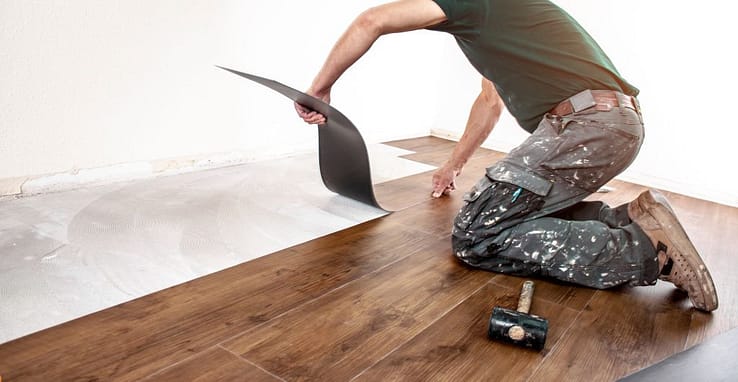
Engineered wood also performs well, provided it is specifically designed for use with UFH. Vinyl and laminate flooring can be compatible, but it’s important to verify heat tolerances with the manufacturer.
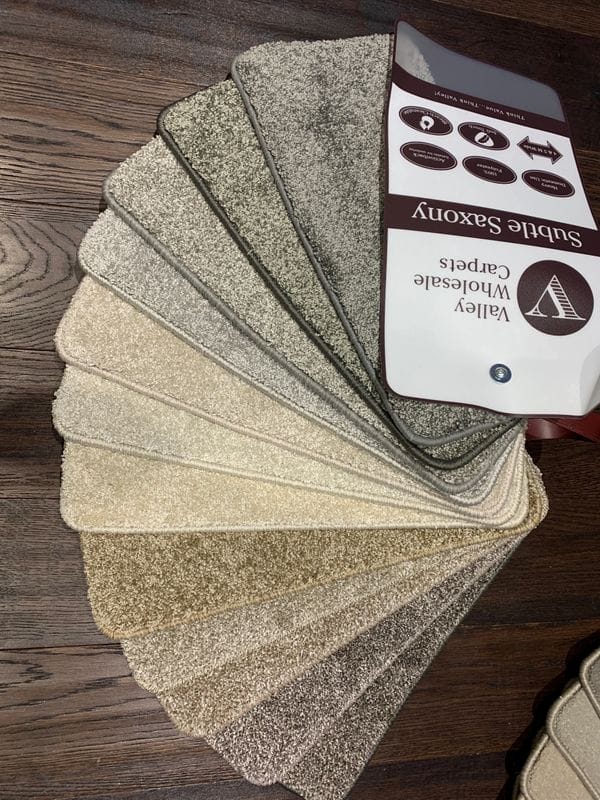
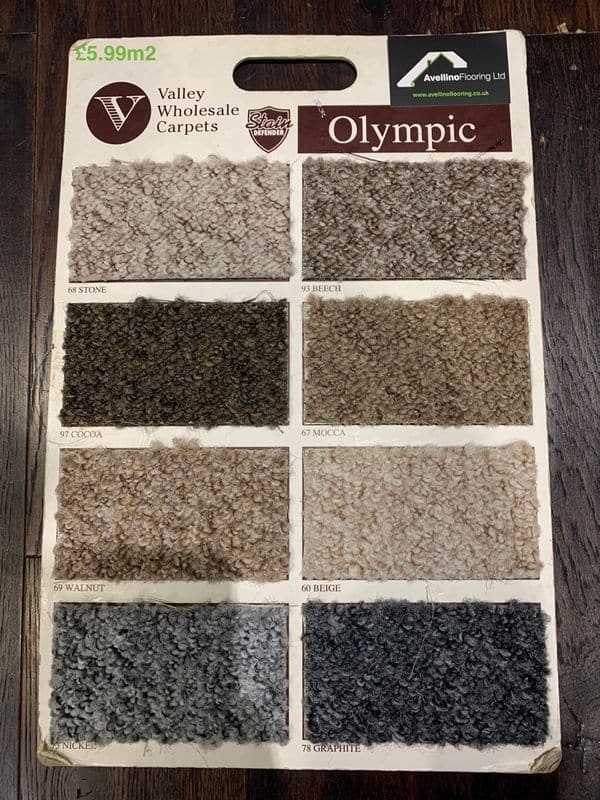
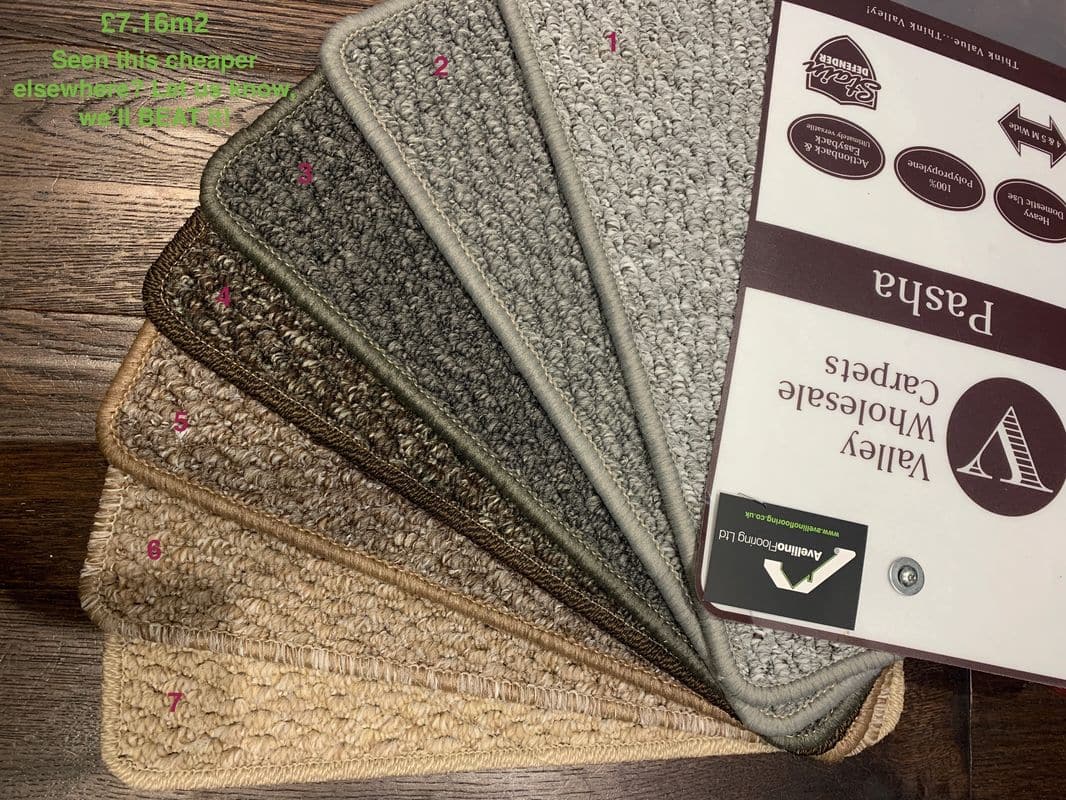
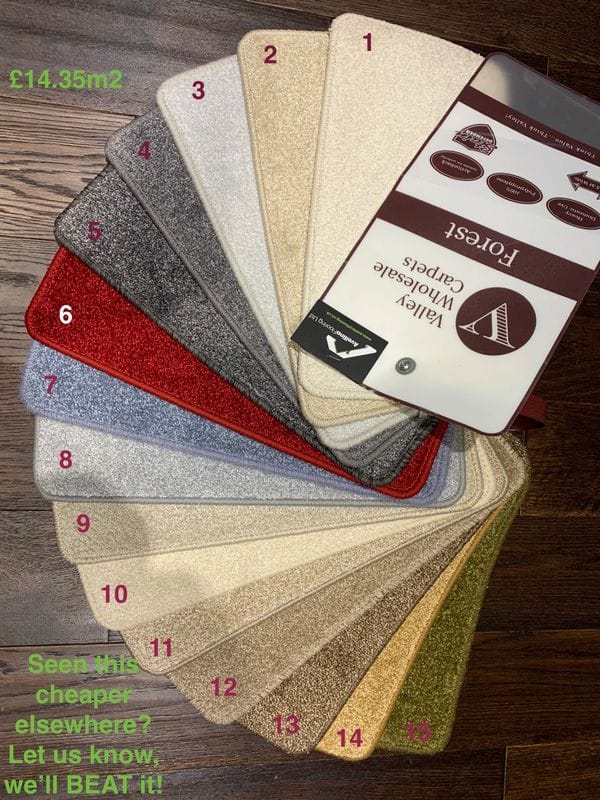
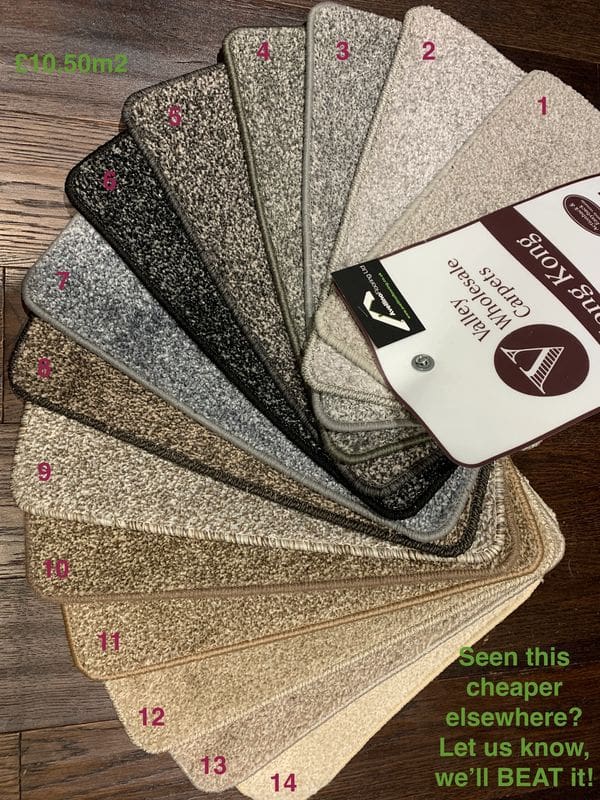
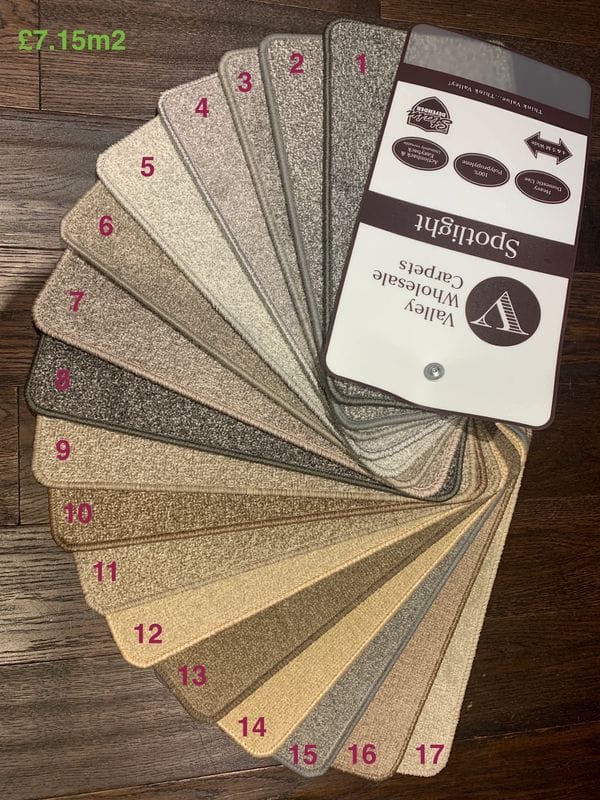
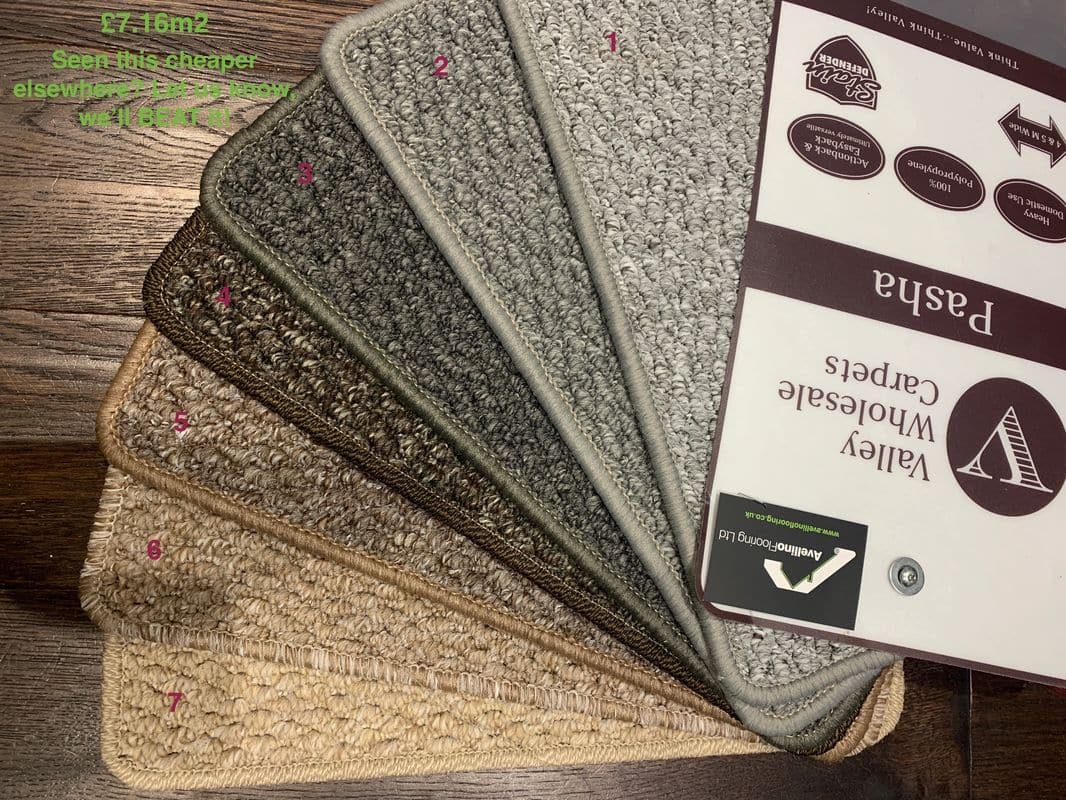
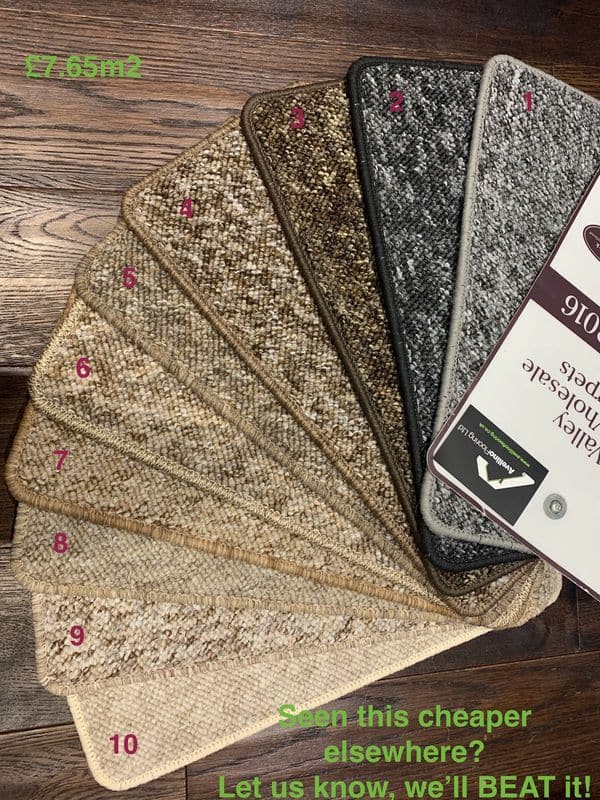
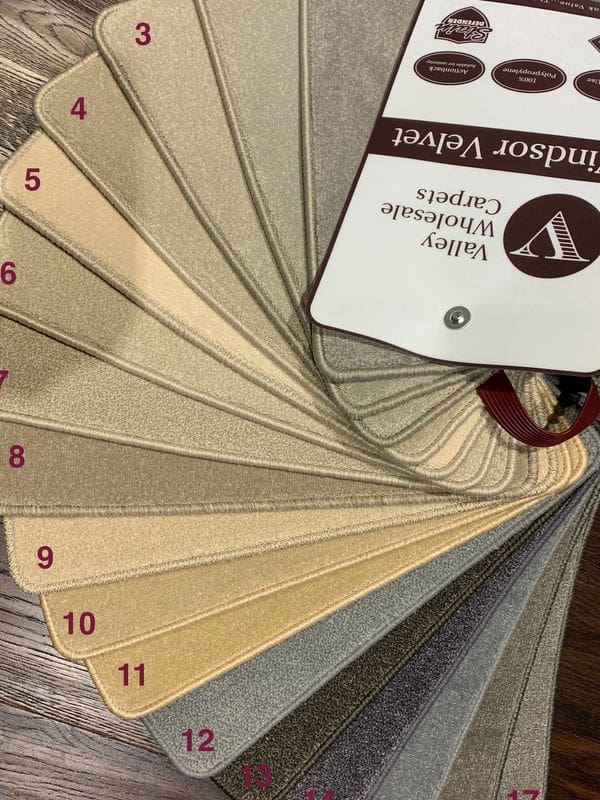
On the other hand, thick carpets and solid wood flooring may reduce the efficiency of underfloor heating due to their insulating properties. Proper insulation and subfloor preparation are crucial regardless of the flooring type to maximise heat output and system efficiency.
Types of Underfloor Heating Systems
There are two main types of underfloor heating systems: wet and electric. Wet systems circulate heated water through pipes installed beneath the floor, making them ideal for new builds or large-scale renovations.
These systems offer lower running costs in the long term but tend to have higher installation costs and require more installation time. Electric systems, on the other hand, utilise electric wires or heating mats and are often simpler and quicker to install.
They are best suited for smaller spaces or retrofitting projects that prioritise minimising disruption. While they may have higher operational costs, their ease of installation makes them an attractive option for many homeowners.

Key Considerations Before Installing Underfloor Heating
Installing underfloor heating requires careful planning to ensure it meets your needs and budget. Cost is a major consideration, as wet systems involve significant upfront expenses, whereas electric systems are more affordable initially but may cost more to run over time.
Installation can be disruptive, particularly for wet systems, as it often involves lifting floors and laying new pipework. Proper insulation is critical to prevent heat loss and improve energy efficiency.
It’s also important to assess whether underfloor heating can serve as your sole heating source, which may depend on the size and insulation of your home. Consulting a professional can help you navigate these considerations effectively.
Installation Process: What to Expect
The installation process for underfloor heating varies depending on the system and property type. Wet systems require laying a network of pipes connected to your central heating system, often necessitating significant changes to the subfloor.
This process is best handled by professionals and is more time-consuming, typically suited for new builds or extensive refurbishments. Electric systems are easier to install, with heating mats or wires placed beneath the floor covering.
They can often be a DIY project for experienced homeowners, though professional installation is always recommended for safety. Regardless of the system, expect the process to take a few days to weeks, depending on the complexity of the project.

Maintenance and Longevity
Underfloor heating systems are generally low maintenance, but regular checks are necessary to ensure optimal performance. Wet systems may require occasional servicing of the boiler or heat pump and inspection of the pipework.
Electric systems, being simpler, usually need less upkeep but should be checked periodically to ensure no faults in the wiring. Both systems can last for decades if installed correctly and properly maintained, with wet systems often outlasting electric ones.
Addressing issues promptly and following manufacturer guidelines will help you enjoy warm, efficient heating for years to come.
Conclusion
Underfloor heating offers a modern, efficient, and comfortable solution for heating your home. By understanding the different types of systems, their benefits, and key considerations, you can make an informed choice tailored to your property and lifestyle.
Whether you’re looking to save energy, create more space, or enjoy the luxury of warm floors, UFH is an investment worth considering.
For expert advice and UFH-compatible flooring options, contact Avellino Flooring today and take the first step towards transforming your home into a haven of warmth and comfort.