Vinyl flooring is often chosen because it copes well with real life. It suits rooms where shoes, spills, pets, children, moisture and regular cleaning are part of the weekly routine.
The key is not simply choosing vinyl because it is practical. It is choosing where it will work hardest, feel most comfortable and give the room the right finish once it has been properly measured and fitted.
Start with how the room is actually used
The best place for vinyl flooring is usually the room where the floor has to work without much fuss. Think about how often people walk through the space, whether the floor gets wet, how much furniture is moved, and how quickly you want cleaning to be.
A hallway, for example, has very different needs from a spare bedroom. One deals with outdoor shoes, bags, deliveries and daily traffic. The other may need a softer, warmer feel underfoot, where carpet could make more sense. Looking at daily use first helps you avoid choosing by appearance alone.
Vinyl is especially useful where a smooth, easy to clean surface is more important than deep softness. It can give a neat finish in compact rooms, busy utility spaces and practical family areas, while still offering a wide choice of patterns and tones.
Good preparation matters as much as the product itself. The subfloor should be suitable, stable and clean before fitting. If the surface underneath is uneven, damp or poorly prepared, even a good vinyl can look less tidy than it should. This is where experienced vinyl fitting makes a noticeable difference to the finished result.
Kitchens and utility rooms suit vinyl well

Kitchens are one of the most natural places for vinyl flooring. They see frequent foot traffic, dropped crumbs, cooking spills and regular wiping down. A floor in this room needs to be practical first, but it still has to look calm and finished alongside units, appliances and furniture.
Vinyl works well here because it creates a continuous surface that is straightforward to maintain. It can sit comfortably with modern, traditional or simple neutral interiors, and it avoids the cold feel some harder flooring materials can have underfoot.
Utility rooms often ask even more of a floor. Laundry baskets, cleaning products, pet bowls, outdoor footwear and appliances all put pressure on the surface. Vinyl can be a sensible choice because it handles everyday mess well and does not demand complicated care.
In both rooms, the details around edges, thresholds and pipework are important. A tidy fit helps the floor look intentional rather than temporary. Careful cutting, suitable trims and neat joins all support the final appearance, especially in rooms with lots of fixed units and awkward corners.
Bathrooms and cloakrooms need careful fitting

Bathrooms, shower rooms and cloakrooms are obvious candidates for vinyl because they often need a floor that copes with splashes and frequent cleaning. Vinyl can be a practical option, particularly in smaller spaces where a clean surface helps the room feel ordered.
The important point is that these rooms need careful fitting. Edges around sanitaryware, door frames and corners should be handled neatly. The floor also needs to be appropriate for the room conditions, and the subfloor should be checked before the vinyl goes down.
For many homes, vinyl is chosen in these rooms because it gives a softer and warmer feel than some hard alternatives. It also allows the room to be refreshed without making the floor feel visually heavy. Pattern can be useful in compact bathrooms, while plainer finishes can help create a cleaner look.
If you are comparing materials for a bathroom or cloakroom, focus on comfort, cleaning, grip, room shape and how the floor will meet the surrounding finishes. A good choice should feel practical on a normal weekday, not just attractive when the room has just been cleaned.
Hallways and entrances benefit from easy cleaning

Hallways and entrances are often overlooked, but they are some of the hardest working floors in a home. They collect dust, rain marks, bags, pram wheels, shoes and regular passing traffic. A floor here needs to be easy to keep presentable.
Vinyl can work well because it is simple to sweep and wipe. It can also help create a smooth visual link between connected spaces, especially where the entrance leads straight into a kitchen or open living area.
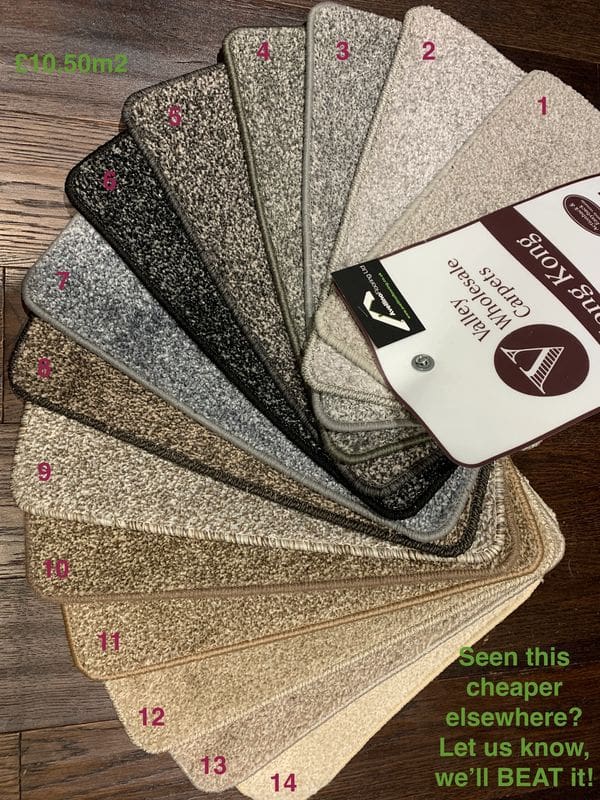
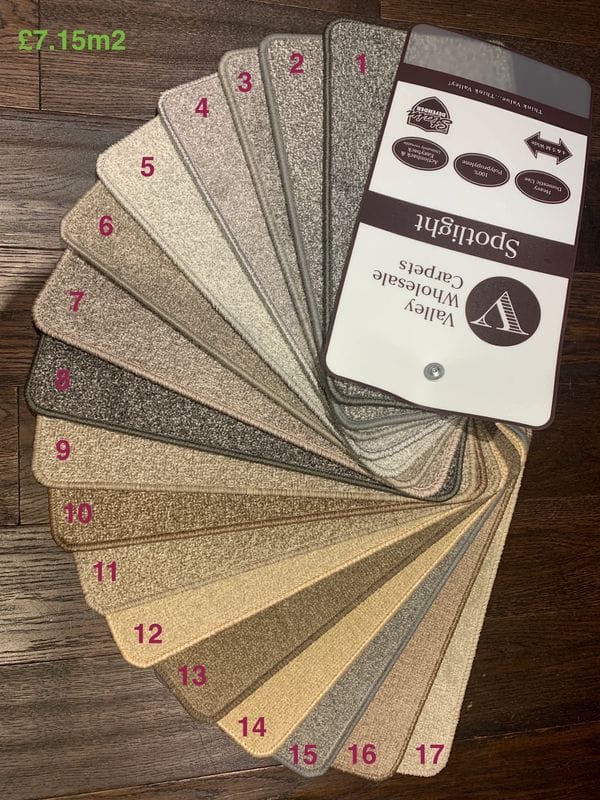
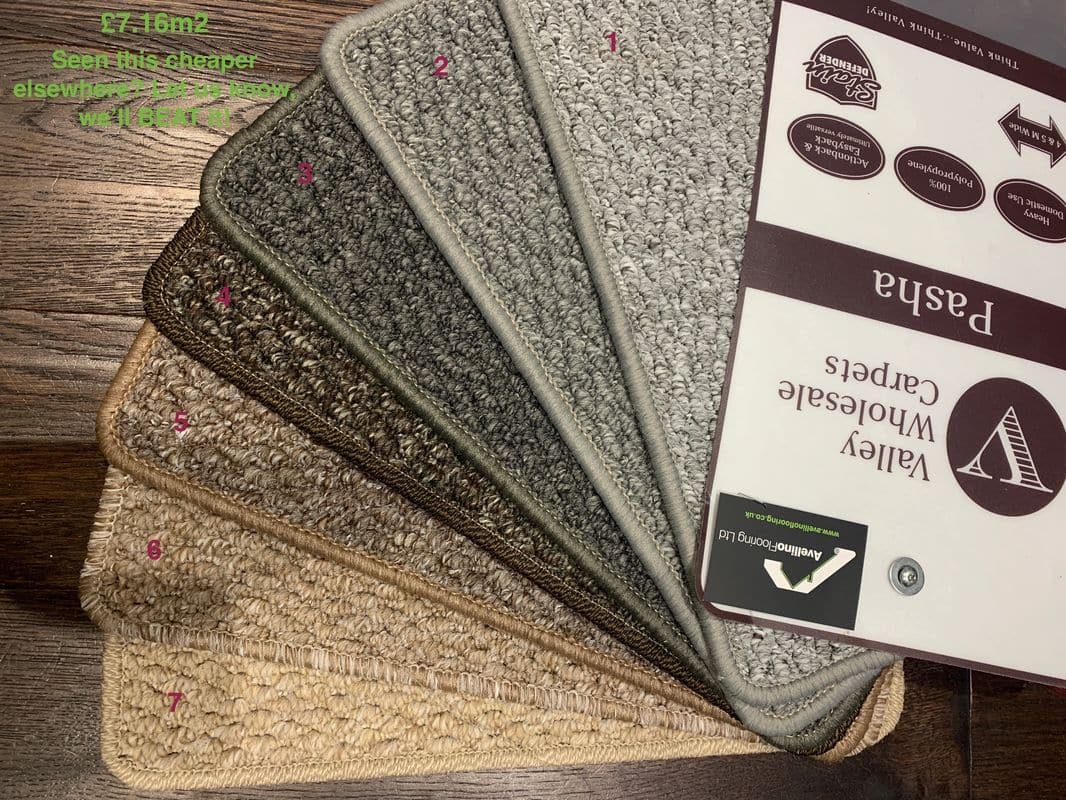
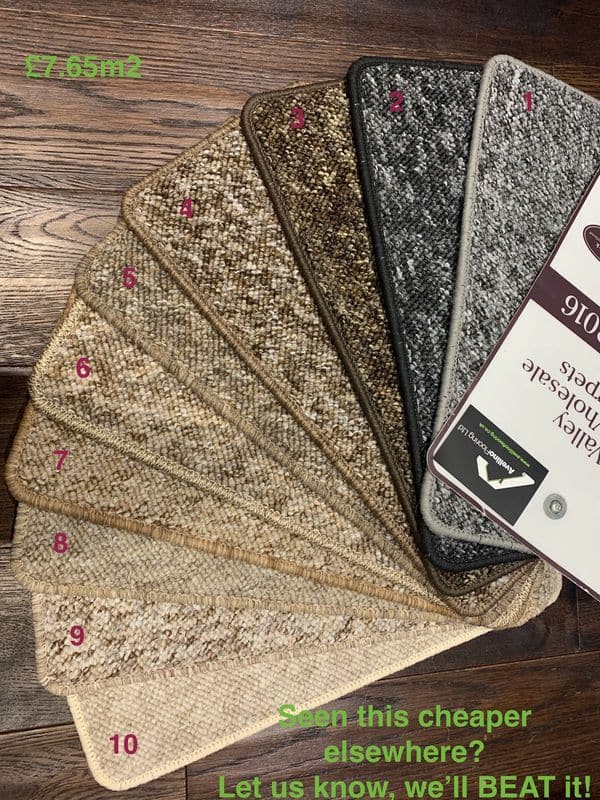
That said, the best flooring choice depends on what you want the entrance to feel like. Some households prefer carpet on stairs or in nearby living areas for comfort and sound. Others prefer vinyl through the entrance and adjoining practical rooms, with carpet reserved for quieter spaces. If you are weighing up both options, Avellino Flooring also provides carpet fitting for rooms where softness is the priority.
Thresholds matter in hallways because several floor finishes may meet in one place. A clean transition helps prevent the finished floor from looking patchy. It also makes the route through the home feel more considered.
Rental homes and busy households need durable choices

Vinyl flooring is often a strong fit for rental homes and busy households because it suits spaces that need to be cleaned quickly and used often. Kitchens, bathrooms, entrances and small living areas can all benefit from a surface that is practical and tidy.
For landlords, the main consideration is usually choosing a floor that suits the expected use of the room. A lightly used bedroom may not need the same surface as a kitchen or entrance. Matching the floor to the room helps the property feel cared for without overcomplicating maintenance.
For families, the same thinking applies. Pets, children, guests and changing routines all affect how a floor performs. Vinyl can be particularly useful where spills and muddy shoes are normal, while carpet may still be preferred in bedrooms and lounges where comfort is more important.
If you are planning several rooms at once, it can help to look at supply and fitting together. Choosing materials, underlay where needed, trims and fitting as one joined up job often gives a more consistent finish. Avellino Flooring can help with carpet and vinyl supply when different rooms need different flooring choices.
When vinyl may not be the best answer
Vinyl is versatile, but it is not automatically the answer for every room. In bedrooms, snug living rooms or spaces where warmth and sound softness matter most, carpet may be the better fit. In rooms with unusual subfloor issues, the preparation may need to be considered before any final flooring decision is made.
Heavy furniture, direct sunlight, room shape and expected wear should all be part of the decision. The best result comes from balancing appearance with practical use, rather than choosing one material for the whole home by default.
It is also worth thinking about the type of vinyl and the fitting method. Sheet vinyl, tiles and planks can suit different room shapes and design goals. For a broader overview of material options, Avellino Flooring has a useful guide to different types of vinyl flooring.
A sensible flooring plan might use vinyl in wet and busy spaces, carpet in restful rooms, and careful trims between them. That way each room gets a floor that supports how it is really used.
- Vinyl flooring is best suited to rooms where easy cleaning, regular use and practical comfort matter.
- Kitchens, utility rooms, bathrooms, cloakrooms, hallways and entrances are often strong candidates for vinyl.
- Good preparation and careful fitting are essential for a neat finish, especially around edges, joins and thresholds.
- Carpet may still be better for bedrooms and cosy living spaces where softness and warmth are the main priorities.
- The right flooring plan can use vinyl and carpet together, matching each room to its daily use.
Frequently asked questions
Is vinyl flooring suitable for kitchens?
Yes, vinyl flooring is often a practical choice for kitchens because it is easy to clean and suits rooms where spills, crumbs and regular foot traffic are common. The final result depends on choosing a suitable product and having it fitted neatly around units, thresholds and edges.
Can vinyl flooring be used in bathrooms?
Vinyl can work well in bathrooms, cloakrooms and shower rooms, provided the product is suitable and the floor is properly prepared. Careful fitting around sanitaryware, corners and door frames helps the floor look tidy and perform as expected.
Where should I avoid vinyl flooring?
Vinyl may not be the best choice where you want a very soft, warm or sound absorbing surface, such as some bedrooms or cosy living rooms. It also needs a suitable subfloor, so any underlying problems should be checked before fitting.
Should I choose vinyl or carpet for a rental property?
It depends on the room. Vinyl is often useful in kitchens, bathrooms, entrances and other busy spaces, while carpet can suit bedrooms and quieter rooms. A mixed approach often gives tenants practical surfaces where needed and comfort where it matters.
Planning a vinyl floor?
Avellino Flooring can help you choose and fit vinyl that suits the way each room is used, with a clean finish from measuring through to fitting.