In today’s homes, peace has become something of a luxury. With the rise of open-plan living, busier households, and an increasing number of people working from home, noise travelling between floors has become a real frustration.
Whether it’s the sound of footsteps overhead, music drifting through the ceiling, or conversations from another room, unwanted noise can disrupt both comfort and concentration.
This has led many homeowners and tenants to ask: Can floors really be soundproof? The short answer is that achieving total silence is extremely difficult, but there are plenty of ways to reduce sound transfer to a much more manageable level.
Understanding the difference between true soundproofing and sound reduction is the first step towards choosing the right approach.
What Do We Mean by ‘Soundproof’?
When people say “soundproof,” they often mean cutting out noise altogether. In practice, complete soundproofing is almost impossible in most homes, especially without significant structural changes.
What is more achievable is sound reduction – minimising the amount of noise that passes through a floor so that it is less intrusive.
It’s also important to understand the two main types of noise. Airborne noise comes from sound travelling through the air, such as voices, television, or music.
Impact noise, on the other hand, is caused by vibrations, such as footsteps, dropped items, or furniture being dragged across the floor.
Each type requires different solutions, which is why no single method is usually enough.
Factors Affecting Floor Soundproofing
The type of building you live in plays a big role in how easily noise travels. For example, older houses with timber floors tend to transmit both airborne and impact noise more readily than properties built with solid concrete floors.
Even within the same building, one floor may perform differently depending on the way it was constructed.
The structure beneath your chosen floor covering also matters. A floor with proper subflooring, insulation, and dense materials will generally perform better at blocking sound than a thin surface laid directly over joists.
The thickness of the flooring and underlay you choose can also make a noticeable difference to the level of noise reduction achieved.
Common Soundproofing Solutions
One of the most popular options for reducing noise is acoustic underlay. This acts as a cushioning layer beneath the flooring, absorbing vibrations and helping to reduce impact noise such as footsteps.
It can be installed under carpets, laminate, or engineered wood, making it a versatile choice for many households.
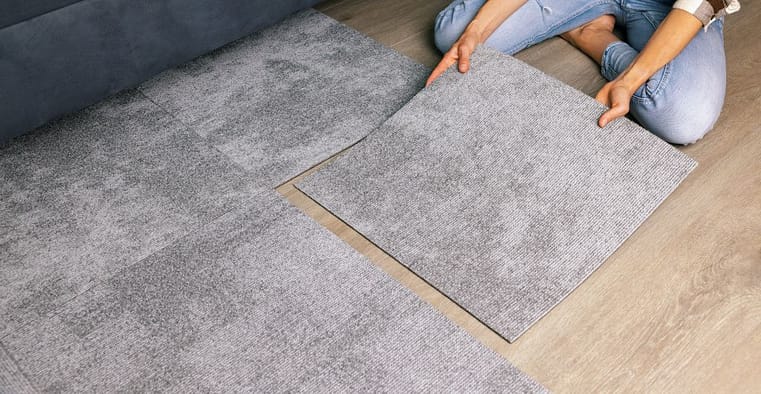
Carpet and rugs are also highly effective at softening sound. Unlike hard flooring, which tends to amplify footsteps, soft coverings absorb vibrations and reduce echoes within a room.
Floating floors, which involve creating a layer that is not fixed directly to the subfloor, can also help by breaking the path of sound vibrations and limiting their transfer.
DIY vs Professional Soundproofing
For many households, simple do-it-yourself changes can deliver noticeable improvements. Adding rugs in high-traffic areas, using thicker underlay beneath carpets, or applying felt pads to the base of furniture can all help reduce everyday noises.
These smaller adjustments are affordable and easy to implement, making them a good starting point for those looking to quieten their home.
However, when noise problems are persistent or severe, professional help may be worth considering. Acoustic mats, barriers, and specialist installations can tackle both airborne and impact noise more effectively than DIY fixes.
Professionals can also assess the structure of your property and recommend the most suitable combination of solutions for long-term results.
Practical Tips for Everyday Homes
Even without a full renovation, there are plenty of ways to make your home more peaceful. Using felt pads on the legs of chairs and tables helps stop the scraping noise when furniture is moved.
Choosing thicker carpets with quality underlay in key rooms can also make a big difference, especially in upstairs bedrooms or living areas where noise tends to travel most.
Layering different methods is often the most effective approach. For example, combining acoustic underlay with carpets and some insulation between joists provides multiple barriers for noise to pass through, making it harder for sound to travel.
Small, inexpensive adjustments may not create complete silence, but together they can add up to a noticeable improvement.

Conclusion
In reality, floors can rarely be made completely soundproof, but they can certainly be made quieter. By understanding the difference between airborne and impact noise, and choosing the right flooring materials and underlay, homeowners can significantly reduce sound transfer.
The key is to think of soundproofing not as a single product but as a combination of methods working together.
Whether you choose DIY solutions like rugs and felt pads or invest in professional acoustic systems, there are options to suit every budget and property type. If noise is a persistent issue in your home, it’s worth seeking expert advice to find the most effective approach.
With the right planning, your floors can help create a more peaceful and comfortable living environment.