Rental flat flooring has to work harder than flooring in many owner occupied homes. It needs to cope with regular move ins, furniture being shifted, routine cleaning, occasional spills and the different habits of each tenant.
The best choice is rarely about one perfect product for every room. It is about matching carpet or vinyl to how the flat is used, how quickly it needs to be fitted and how simple it will be to keep presentable between tenancies.
Start with the demands of the tenancy
A rental flat turnover is a practical moment. The property needs to be made clean, tidy and ready for the next occupier, and the flooring plays a big part in that first impression. Suitable flooring should look cared for, feel comfortable underfoot and stand up to normal rental use without becoming difficult to manage.
Landlords should think about how the flat is lived in, not just how it looks when empty. A hallway may take more foot traffic than a bedroom. A kitchen needs a surface that can be cleaned easily. A living area may need a balance of comfort and resilience. Bedrooms often benefit from a quieter, warmer feel.
This is where a room by room approach helps. Instead of fitting the same material everywhere out of habit, consider the jobs each floor has to do. For landlords arranging rental property flooring, that simple planning step can prevent avoidable wear, cleaning issues and awkward repairs later.
It is also worth considering who is likely to live there. A flat intended for a single tenant may place different demands on flooring than a busy shared home. A ground floor flat may see more outdoor grit carried in. A property with open plan living may need flooring that copes with several uses in one connected space.
Choose materials that suit each room

Carpet and vinyl both have useful roles in rental flats, but they solve different problems. Carpet brings warmth, softness and acoustic comfort. Vinyl is practical where easy cleaning and moisture resistance matter more. The right turnover decision often uses both, rather than treating one material as the answer for the whole property.
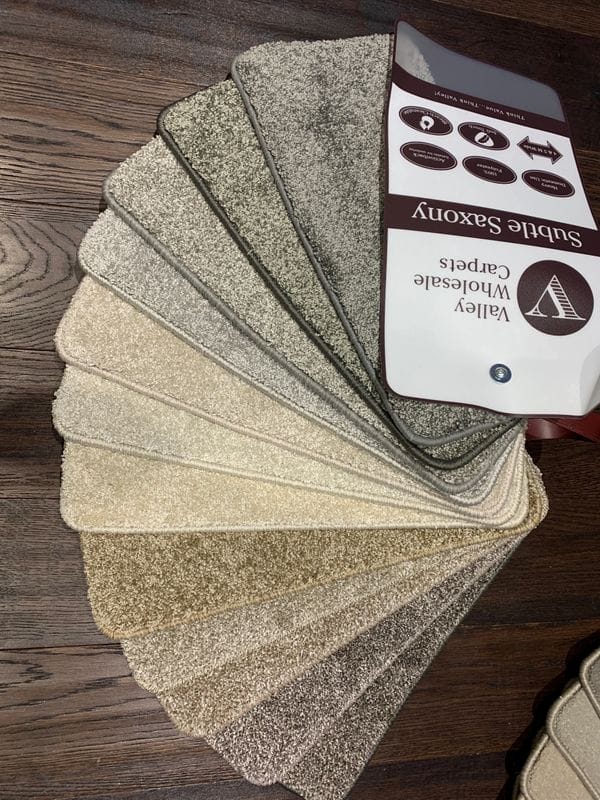
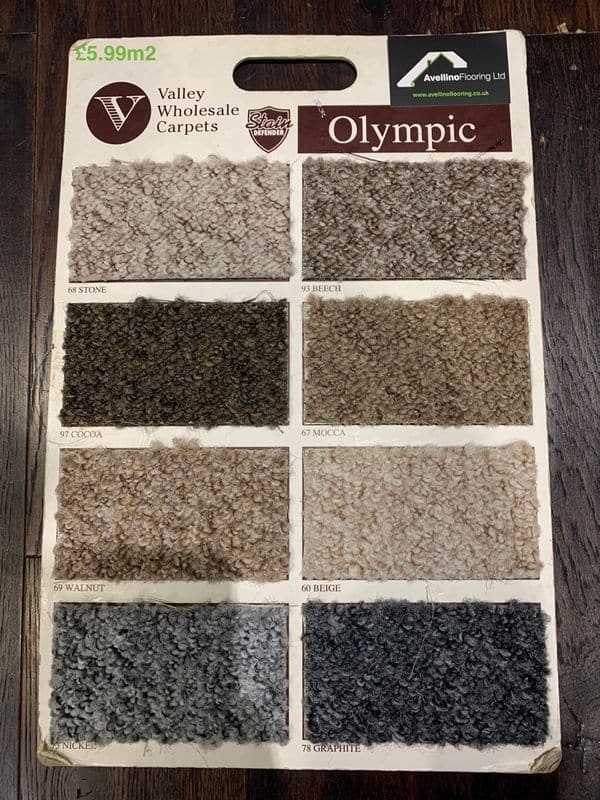
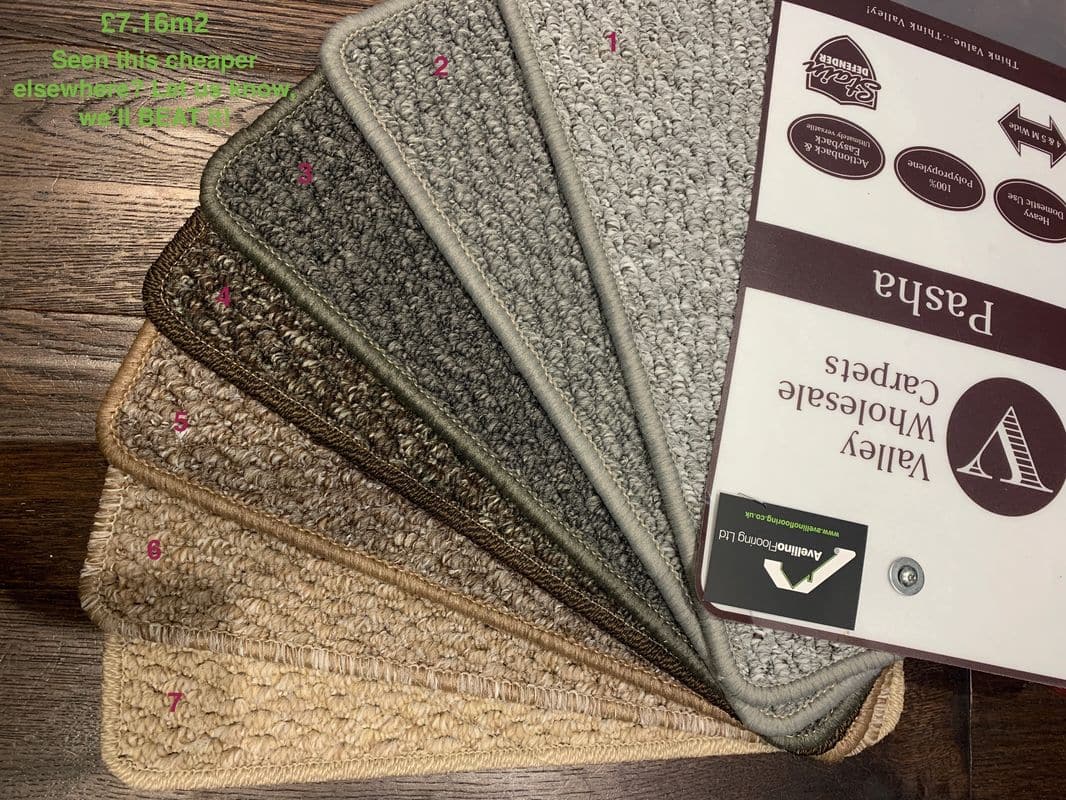
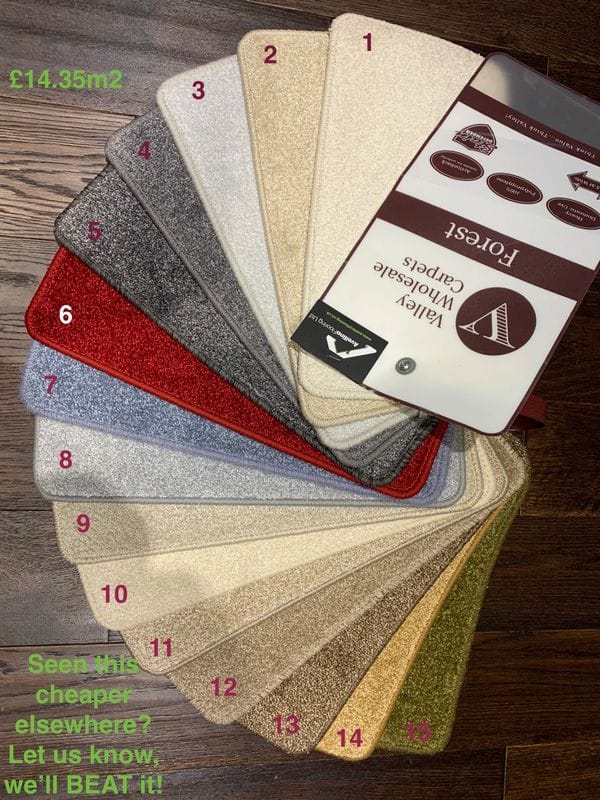
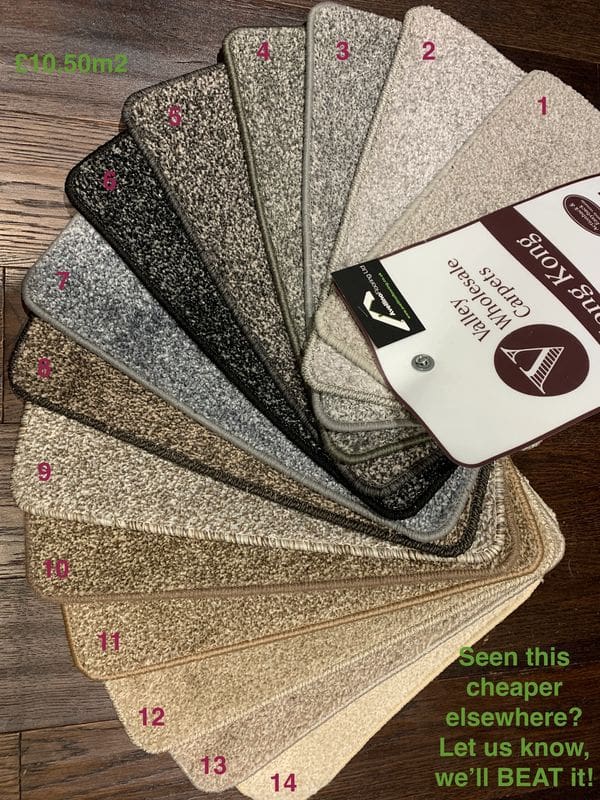
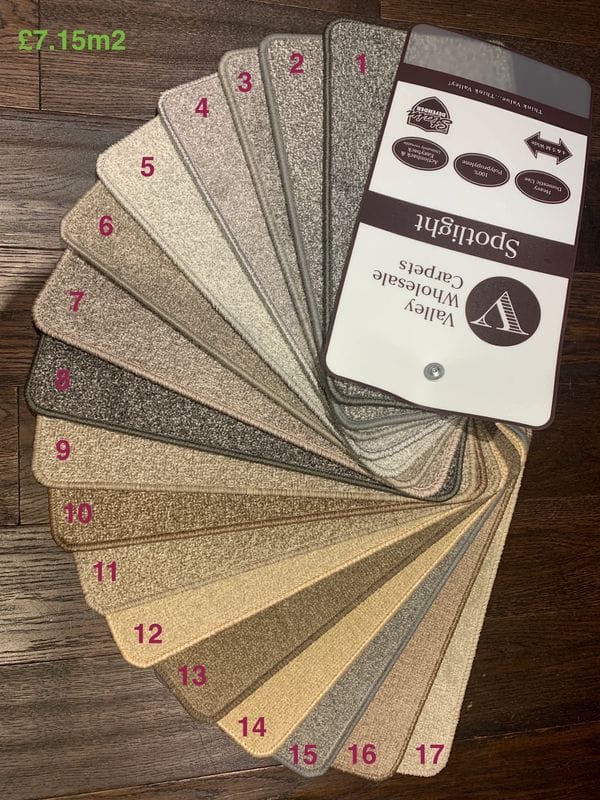
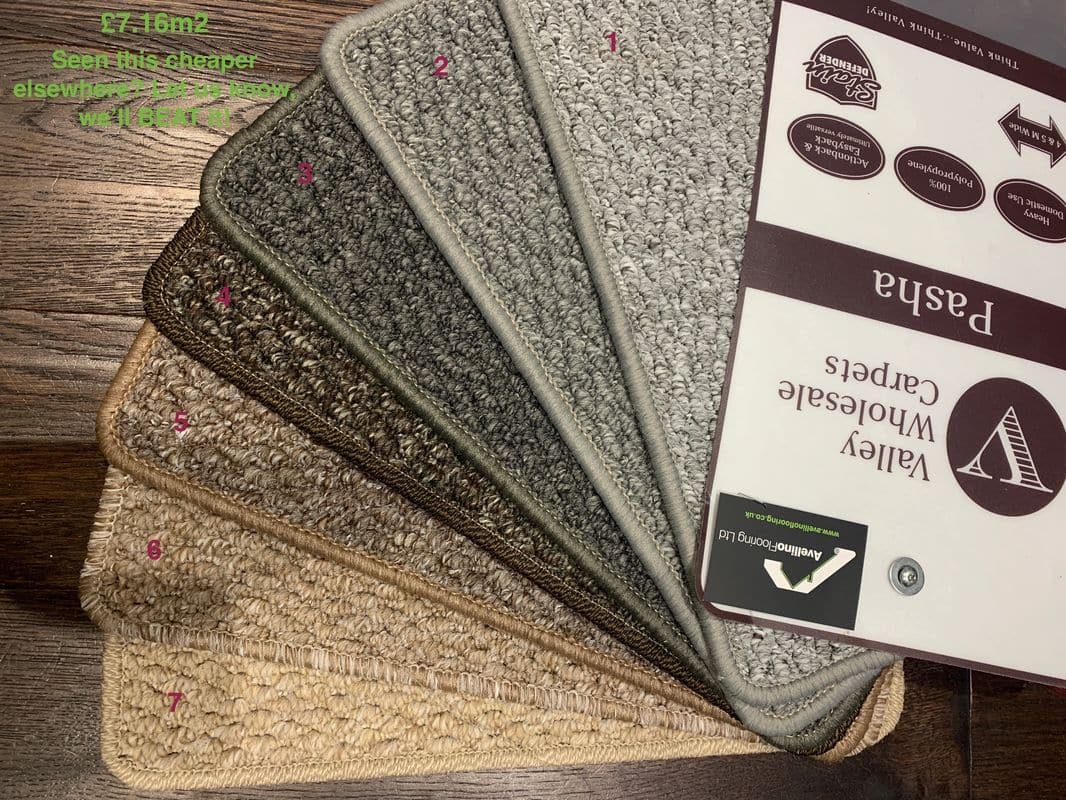
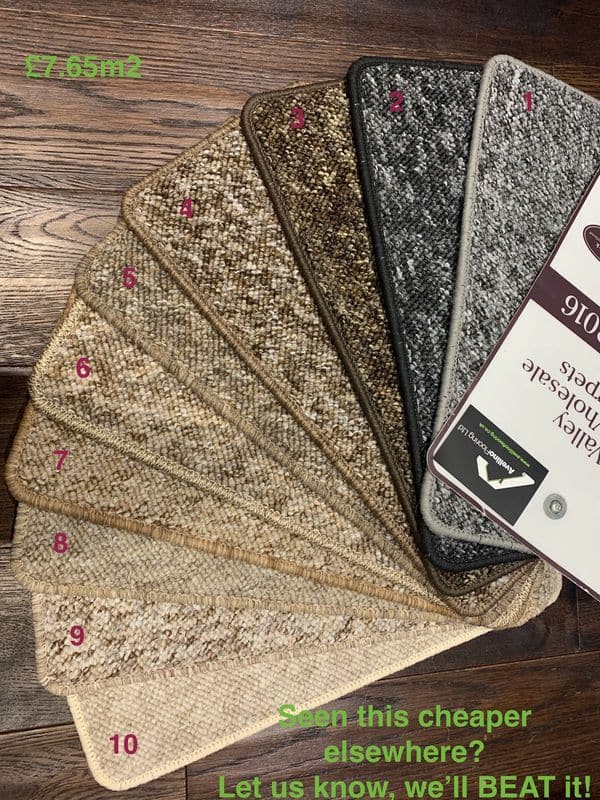
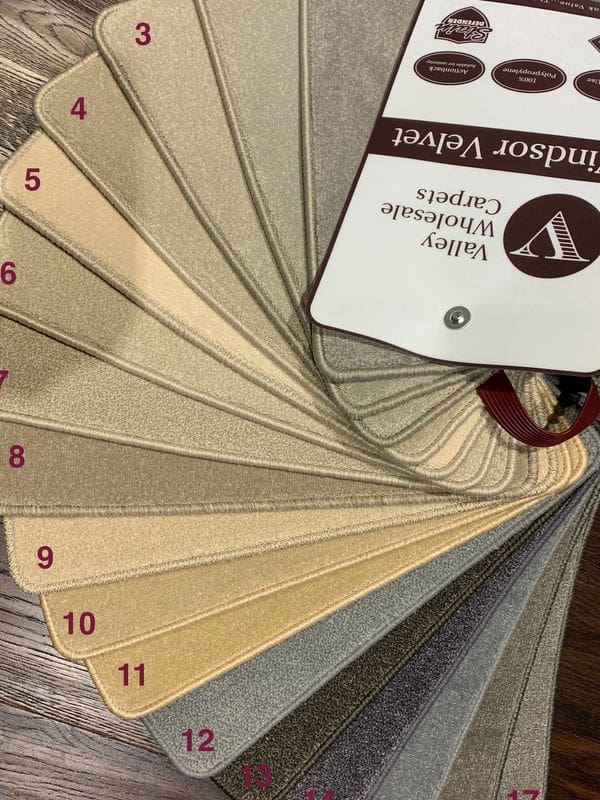
Carpet is often well suited to bedrooms, lounges and other spaces where tenants expect comfort. It can soften noise, make a room feel more settled and create a pleasant finish underfoot. For rentals, the focus should be on a carpet that is robust enough for regular use and suitable for the likely traffic in that room.
Vinyl is commonly useful in kitchens, bathrooms, utility spaces and entrance areas. It is straightforward to wipe clean, handles everyday splashes well and can be fitted neatly around fixed items when measured and cut correctly. Good preparation matters, because vinyl needs a suitable base to sit flat and finish cleanly.
When the decision is between the two, ask what the room will face most often. Is comfort the priority, or cleaning? Is the area likely to see shoes, spills or moving chairs? Will a future tenant expect a softer feel or a surface that can be mopped quickly? These questions keep the choice practical.
Landlords who want one supplier to coordinate materials and installation may find carpet and vinyl supply useful, especially when several rooms need different finishes but the overall result still needs to feel consistent and professionally fitted.
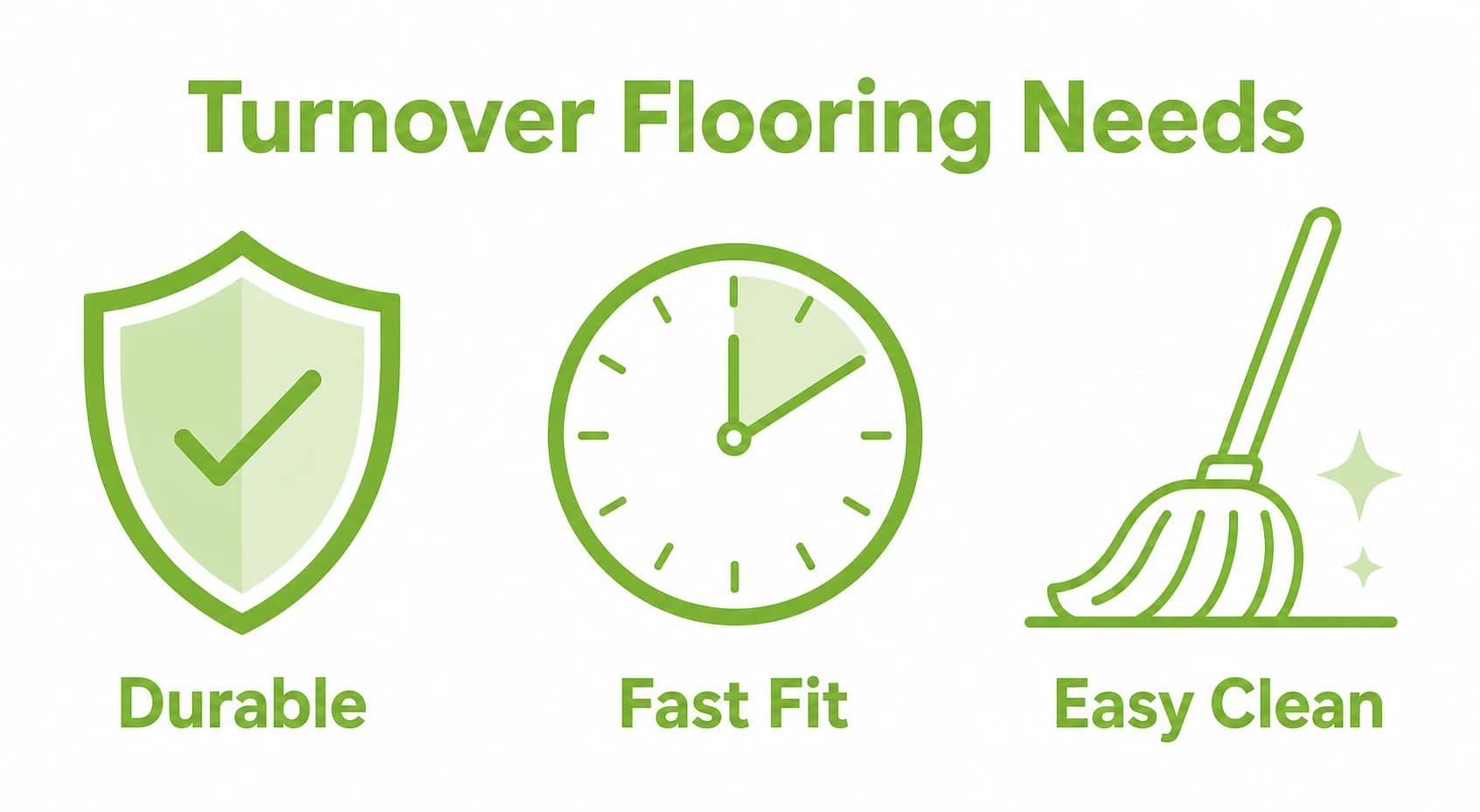
Durability is about more than thickness
It is easy to assume that a thicker floor covering is automatically stronger, but suitability is more nuanced. A rental flat needs flooring that resists the type of wear it will actually receive. That can include foot traffic, furniture marks, cleaning, edge wear and the strain that comes from repeated occupation changes.
For carpet, pile type, backing, underlay and fitting method all affect how well the floor performs. A suitable underlay can improve comfort and help the carpet sit properly. Grippers, door trims and neat joins also matter, because weak edges are often where flooring begins to look tired first.
For vinyl, durability depends on the product, the subfloor and the quality of the fitting. A clean, level base helps prevent uneven wear and visible imperfections. Accurate cutting around door frames, sanitary ware and kitchen units gives a cleaner finish and reduces the chance of lifting or damage at vulnerable edges.
Durability also includes how forgiving the flooring is during normal living. Some materials hide everyday marks better than others. Some are easier to clean after spills. Some cope better with frequent vacuuming, mopping or furniture being moved. The aim is not to make the flat indestructible, but to choose flooring that remains serviceable and presentable with sensible care.
A professional fitter can also flag issues that are not obvious before the old floor is lifted. Loose boards, uneven surfaces, worn thresholds and awkward joins can all affect the finished result. Addressing these details during the turnover helps the new flooring perform as intended.
Fitting speed depends on preparation

Fast fitting is useful during a rental turnover, but speed should come from good organisation rather than rushed work. The quickest installations are usually the ones where the property has been measured properly, the materials are ready, rooms are accessible and any preparation issues have been identified early.
Accurate measuring reduces delays and waste. It also helps with decisions around joins, roll widths, thresholds and how the flooring will run through each room. In smaller flats, tight hallways, built in storage and awkward corners can make planning especially important.
Before fitting, rooms should be as clear as possible. Old flooring, damaged underlay, loose trims or uneven areas can slow the job if they are discovered late. For vinyl, the condition of the subfloor is particularly important. For carpet, the suitability of grippers, door bars and underlay can affect both finish and longevity.
Using experienced carpet fitting support can help avoid common finish problems such as loose edges, poor tension and untidy joins. For wet areas and hard working spaces, skilled vinyl fitting helps the flooring sit flat, meet edges cleanly and cope better with everyday use.
The key is to treat fitting as part of the turnover plan, not a separate afterthought. When measuring, supply and installation are coordinated, landlords can make decisions earlier and reduce the chance of last minute complications.
Easy upkeep protects the finish
A rental flat floor should be simple for tenants to look after and straightforward for landlords or agents to refresh between occupancies. Flooring that needs specialist care for ordinary marks can become frustrating, even if it looks good on day one.
For carpeted rooms, regular vacuuming, prompt attention to spills and suitable entrance matting can help preserve the surface. The choice of underlay and the quality of the fitting also support upkeep, because a carpet that sits properly is less likely to ripple, pull or wear unevenly.
For vinyl areas, easy upkeep usually means a smooth surface, well finished edges and sensible care instructions. Tenants should be able to sweep and mop without worrying about catching raised joins or damaging loose edges. Around kitchens and bathrooms, neat perimeter work helps the floor remain tidy and easier to clean.
Landlords should also think about future access. If a section is likely to need attention, a clean threshold or planned join may make maintenance simpler than a poorly considered layout. Good flooring choices do not just solve the current turnover. They make later inspections, cleaning and repairs more manageable.
Clear expectations help too. Basic tenant guidance on vacuuming, mopping, spill response and avoiding damage from furniture can extend the useful life of the floor. It does not need to be complicated. A few practical care notes are often enough.
Look for a finish that feels ready to live in

Suitable rental flooring should make the flat feel cared for without needing explanation. Edges should be neat. Doorways should be finished properly. Rooms should feel comfortable and clean. The flooring should not draw attention for the wrong reasons.
Small details have a large effect on the final impression. Matching trims to the use of the doorway, cutting accurately around obstacles, securing edges and checking transitions between rooms all help the property feel ready. These details also reduce snagging after tenants move in.
It is worth walking through the flat as a tenant would. Open doors, stand in the entrance, check the main living space and look at the areas where furniture will sit. A suitable floor should support the room, not make everyday use feel awkward.
Avellino Flooring can help landlords think through those practical choices, from room use and material selection to measuring, supply and fitting. The best outcome is a flat that is easier to present, easier to maintain and ready for normal daily life.
- Rental flat flooring should be chosen room by room, based on traffic, cleaning needs and comfort.
- Carpet often suits bedrooms and living areas, while vinyl is useful in kitchens, bathrooms and entrance spaces.
- Durability depends on material choice, subfloor condition, underlay, trims and fitting quality.
- Good preparation helps flooring be fitted efficiently and finished neatly.
- Easy upkeep matters because the floor must stay presentable through everyday tenant use.
Frequently asked questions
What flooring is best for a rental flat turnover?
There is no single best option for every flat. Carpet is often a good fit for comfort focused rooms such as bedrooms and lounges, while vinyl is practical in areas that need simple cleaning. The right choice depends on room use, traffic and the condition of the existing floor.
Should landlords replace flooring throughout the whole flat?
Not always. If some rooms are still in good condition, a targeted replacement may be enough. It is worth checking wear, stains, lifting edges, damaged trims and whether the flooring still presents the property well for the next tenant.
Why does professional fitting matter in rental properties?
Professional fitting helps flooring sit correctly, finish neatly at edges and cope better with everyday use. Poor fitting can lead to loose carpet, lifted vinyl, untidy joins and extra maintenance, even when the material itself is suitable.
How can landlords make rental flooring easier to maintain?
Choose materials that suit each room, make sure the subfloor is prepared properly, use suitable underlay or trims where needed and give tenants simple care guidance. Flooring that is easy to clean and properly fitted is usually easier to manage between occupancies.
Need practical flooring advice for a rental flat?
Avellino Flooring can help with sensible carpet and vinyl choices, accurate measuring and tidy fitting for landlord properties.